From Overwhelmed to Empowered: How Health Consultation Platforms Simplified My Family’s Wellbeing Journey
Navigating health concerns used to feel like walking through a maze—endless calls, missed appointments, and the constant worry of making the wrong choice. I remember sitting at the kitchen table, staring at a fever chart for my youngest, unsure whether to rush to the clinic or wait it out. Then I found online health consultation platforms. What started as a desperate click turned into a quiet revolution in how our family manages health. No more guessing, no more stress—just clear, calm support, anytime. This isn’t just technology; it’s peace of mind in your pocket.
The Moment Everything Changed: A Parent’s Late-Night Health Panic
It was 2 a.m., and my six-year-old was burning up. I pressed the back of my hand to her forehead, then reached for the thermometer—102.8°F. My heart started racing. Should I wake my husband? Call the pediatrician? Drive to the emergency room in the middle of the night? I remember pacing the hallway, clutching my phone, trying not to panic. The on-call nurse line was busy. The ER wait time online said over two hours. I felt completely alone, like I was making a high-stakes decision with no real guidance.
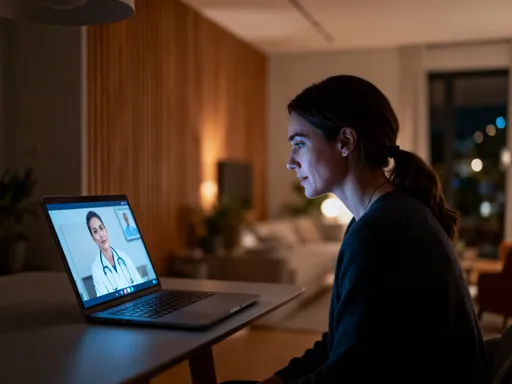
That’s when I remembered an email I’d skimmed weeks earlier about a health consultation app. I had signed up out of curiosity but never used it. In that moment, desperate and overwhelmed, I opened it. Within minutes, I was in a secure video call with a licensed pediatrician. She asked thoughtful questions, watched me gently examine my daughter’s throat and ears through the camera, and reviewed her symptoms. She reassured me it was a viral fever, common this time of year, and recommended rest, fluids, and a safe dose of children’s acetaminophen. She even sent a prescription to our local pharmacy in case we needed it later.
The relief was instant. Not just because we had a plan, but because I wasn’t guessing anymore. I wasn’t second-guessing myself in the dark. Someone who knew what they were doing had seen my child, listened to me, and given me clear, calm advice. I didn’t have to drive anywhere. I didn’t expose her—or my other kids—to more germs in a waiting room. I just tucked her back into bed, gave her medicine, and finally slept. That night changed everything. It wasn’t just about a fever. It was about feeling supported, informed, and capable as a parent. I realized I didn’t have to choose between doing nothing and going to the ER. There was a better way—and it was in my hands.
At Home, With Kids: Making Pediatric Care Effortless
Since that night, our family’s approach to health has completely shifted. What used to mean missed work, rearranged schedules, and stressful trips to the doctor’s office now often starts with a quiet moment on the couch with my phone. For common childhood issues—earaches, rashes, stomach bugs, allergies—we’ve learned that not every symptom requires an in-person visit. And honestly, that’s been a game-changer. I can’t tell you how many mornings I’ve avoided packing up snacks, toys, and three restless kids just to sit in a crowded waiting room for an hour.
Take last spring, when my youngest came down with a sudden rash. In the past, I would’ve called the office, waited on hold, and then driven over, only to be told it was likely viral and would clear up on its own. This time, I opened the app, described the rash, and uploaded a photo. A pediatrician reviewed it within 30 minutes and confirmed it was a mild case of roseola—nothing serious, no medication needed, just rest and monitoring. I had my answer before I even finished my morning coffee.
What I love most is how these platforms help me feel more confident in my parenting. I’m not a doctor, but I don’t have to play one anymore. The symptom checkers guide me with simple, clear questions: How long has the fever lasted? Is she drinking fluids? Any trouble breathing? It’s like having a calm, experienced voice walking me through each decision. And when a video visit is needed, it’s amazing how much a doctor can assess remotely—checking breathing, looking at rashes, observing how my child moves and responds.
We’ve also started using digital prescription delivery. After a virtual visit for strep throat, the antibiotic was sent straight to our local pharmacy. No extra trip, no waiting. Some platforms even let me schedule school or sports physicals online, upload forms, and get them signed without stepping into an office. It’s not magic—it’s thoughtful design that respects my time, my energy, and my role as the family’s health manager. These small wins add up. Less stress. Fewer missed days. More trust in the choices I’m making. And most importantly, my kids see that taking care of our health doesn’t have to be scary or disruptive. It can be calm, simple, and part of our everyday rhythm.
Caring for Aging Parents: Bridging the Distance with Digital Check-Ins
When my mom moved to another state to be closer to her sister, I worried—not just about missing her, but about how I’d keep track of her health from afar. She’s in her late 70s, managing high blood pressure and early arthritis. In the past, I relied on phone calls and visits every few months. But I knew that wasn’t enough. What if something happened between visits? What if she forgot a medication or misunderstood her doctor’s instructions?
Then I helped her set up a health consultation platform on her tablet. At first, she was hesitant. “I’m not tech-savvy,” she said. But after one simple walkthrough—showing her how to log in, how to start a video call, how to message her care team—she started using it regularly. Now, instead of worrying, I get updates. She messages her primary care provider when her blood pressure readings are high. She schedules virtual check-ins for minor concerns, like a persistent cough or a new rash. And when she needs a prescription adjustment, she doesn’t have to wait weeks for an appointment.
One afternoon, she called me, excited. “I just had a visit with Dr. Patel—right from my kitchen table!” She showed me how she used the app to share her latest blood work and discuss her medication list. The doctor reviewed everything, made a small change to her blood pressure medicine, and sent the update to her pharmacy. No driving, no waiting rooms, no confusion. I felt a wave of relief. This wasn’t just convenient—it was preventive. It meant small issues were caught early, before they became emergencies.
What surprised me most was how much more connected we felt. We started doing “family health check-ins” together. I’d FaceTime her, and we’d go over her symptoms or questions before her virtual appointment. It became a way for us to care for each other, even from hundreds of miles away. I wasn’t just the daughter who worried from a distance. I was part of her care team. And she wasn’t just “getting by.” She felt seen, heard, and supported. For adult children juggling jobs, kids, and aging parents, this kind of peace of mind is priceless. It’s not about replacing in-person care—it’s about filling the gaps, reducing anxiety, and making sure our parents feel cared for, every single day.
Managing Chronic Conditions: Staying on Track Without Burnout
Life with a chronic condition—whether it’s diabetes, high cholesterol, or asthma—can feel like a full-time job. I know this firsthand. My husband was diagnosed with type 2 diabetes three years ago, and at first, the routine felt overwhelming. Blood sugar checks, meal planning, medication schedules, doctor visits every three months. We were doing our best, but the constant vigilance was exhausting. There were moments when he’d skip a check-up because work was busy, or I’d forget to refill a prescription until it was too late.
Then we discovered how health platforms could support long-term care. We started using one that integrates with his glucose monitor, so his readings are automatically shared with his endocrinologist. Every week, he gets a gentle reminder to log his meals and activity. Every month, we review a simple dashboard that shows trends in his blood sugar levels. And every three months, instead of a rushed in-person visit, we have a longer, more relaxed virtual consultation where we go over the data together.
What’s changed isn’t just convenience—it’s sustainability. He doesn’t feel like he’s being watched or judged. Instead, he feels supported. The secure messaging feature means he can ask a quick question—“Is this numbness in my foot something to worry about?”—and get a response within hours, not days. No more waiting, no more anxiety spirals. And when he does need to see a specialist, the platform helps us find one in-network, check availability, and even prepare questions in advance.
The biggest win? We’ve gone from reacting to staying ahead. Small changes in his numbers trigger early conversations, not crises. Medication refills are automatic. Follow-ups are scheduled before we even think to ask. It’s not about perfection—it’s about consistency. And that consistency has led to better control, fewer complications, and more energy for the things he loves. For families managing chronic conditions, this kind of support isn’t a luxury. It’s a lifeline. It means we can focus on living, not just surviving. It means one less thing to fear, and one more reason to feel hopeful.
Mental Wellness on Your Terms: Breaking the Stigma with Private Access
For years, I thought mental health was something you dealt with only in a crisis. Then I realized how much stress I was carrying—juggling work, kids, aging parents, household duties—and how little I was doing to care for myself. I wasn’t depressed, but I was often anxious, irritable, and emotionally drained. I wanted support, but the idea of scheduling a therapy appointment, finding childcare, and driving across town felt impossible.
That’s when I tried text-based counseling through a health consultation platform. I started with a simple message: “I’ve been feeling overwhelmed lately.” Within an hour, a licensed therapist responded. We began chatting—short messages at first, then longer exchanges. I could talk during my lunch break, after the kids were in bed, or even while folding laundry. There was no pressure, no judgment, just a safe space to untangle my thoughts.
Over time, I moved to video sessions, still from home, still on my schedule. I learned tools for managing anxiety, setting boundaries, and practicing self-compassion. But more than that, I modeled something important for my family. I started saying things like, “Mom’s having a session tonight,” or “I need 20 minutes to journal before dinner.” I was showing my kids that mental health is part of health—just like a fever or a broken bone. It’s not something to hide. It’s something to care for.
What I appreciate most is the privacy and accessibility. I didn’t have to wait weeks for an appointment. I didn’t have to worry about running into someone I knew in the waiting room. I could get support exactly when I needed it, in a way that fit my life. And because the platform is part of our family’s health ecosystem, it felt normal, not taboo. My husband even started using it for stress management at work. We talk more openly now about how we’re feeling. We check in with each other. We’re building a home where it’s okay to say, “I’m not okay.” And that, more than anything, has changed our family’s emotional climate.
Preparing Teens for Independence: Teaching Self-Care Through Technology
As my oldest entered her teens, I realized I couldn’t—and shouldn’t—always be the one managing her health. She needed to learn how to advocate for herself, understand her body, and make smart decisions. But how do you teach that without hovering? How do you let go while still being there?
Health consultation platforms became our training ground. We started small. When she had a sore throat, I didn’t automatically make the doctor’s appointment. Instead, I said, “Let’s see what the app says.” Together, we used the symptom checker. She answered the questions, uploaded a photo of her throat, and read the recommendations. Then, with my guidance, she scheduled her first virtual visit. She spoke to the doctor on her own while I waited in the next room. Afterward, we talked about what the doctor said, why she recommended antibiotics, and how to take the medicine properly.
It was a powerful moment. She wasn’t just following instructions—she was learning. She began to understand that health is a conversation, not a command. She started tracking her menstrual cycle using a secure feature in the app, noting symptoms and patterns. When she had questions about nutrition or stress, she knew where to go. I didn’t have to be the gatekeeper of information. I could be her guide.
Now, she uses the platform independently for minor issues—acne, allergies, fatigue. She messages the nurse line when she’s unsure. She schedules her own sports physicals. And when she goes to college next year, she’ll already have the skills to manage her health confidently. This isn’t about pushing her away. It’s about equipping her with tools she’ll use for life. It’s about showing her that taking care of herself isn’t a chore—it’s an act of strength.
Building a Healthier Family Culture: From Reacting to Preventing
Looking back, I see how much has changed—not just in how we access care, but in how we think about health. We used to wait until someone was sick to take action. Now, we’re proactive. We schedule annual check-ins, update our records, and review our family health history together. We talk about prevention—vaccines, screenings, healthy habits—not as scary medical terms, but as part of our everyday care.
These platforms haven’t replaced our doctors. They’ve deepened our relationship with them. We come to visits better prepared, with questions, data, and concerns organized. We follow up more consistently. We feel like partners in care, not passive recipients. And because access is easier, we don’t delay. A nagging cough gets checked. A strange mole gets reviewed. A change in mood gets addressed.
What I value most is the emotional shift. There’s less fear in our home. Less “what if?” More “here’s what we can do.” My kids see health as something manageable, not mysterious. My husband feels in control of his condition. My mom feels connected and cared for. And I feel like I’m not carrying the entire weight of our family’s wellbeing on my shoulders.
This journey hasn’t been about chasing perfection. It’s been about progress—small, steady steps toward a calmer, clearer, more confident way of living. Technology didn’t fix everything. But it gave us tools to show up better—for ourselves, for each other. It reminded me that care isn’t just something we do when we’re sick. It’s something we build, every day, in the quiet moments of connection, support, and choice. And that, I’ve learned, is the truest form of wellness.