This Is How I Finally Fixed My Oral Health — Simple, Effective, and Actually Works
For years, I ignored my oral health until a routine checkup revealed early signs of gum issues. That wake-up call made me rethink everything — from brushing habits to hidden sugar traps. What I discovered wasn’t magic, just science-backed habits done consistently. Turns out, a strong smile starts long before you brush. Here’s what really works, explained clearly and practically.
The Hidden Crisis in Your Mouth
Many people assume that as long as their teeth don’t hurt, their mouth is healthy. Unfortunately, this belief masks a quiet but widespread problem affecting millions: the gradual breakdown of oral health due to conditions that show few or no symptoms in their early stages. Gingivitis, plaque buildup, dry mouth, and enamel erosion are common yet frequently overlooked issues that can progress silently, causing irreversible damage before most individuals even notice something is wrong. These conditions often begin with subtle changes — slight redness along the gumline, occasional bleeding when brushing, or mild sensitivity to hot or cold — but they are not minor inconveniences. They are warning signs of deeper imbalances within the oral ecosystem.
Gingivitis, for example, is an early form of gum disease caused by the accumulation of bacterial plaque at the gum margin. It is reversible with proper care, but if left untreated, it can advance to periodontitis, a more severe condition involving bone loss and potential tooth loss. Plaque itself is not merely food debris; it is a sticky, colorless film of bacteria that constantly forms on teeth. When not removed daily, it hardens into tartar, which can only be removed by a dental professional. Enamel erosion, another growing concern, occurs when acids from food, drink, or even stomach reflux wear away the protective outer layer of the tooth. This leads to increased sensitivity, discoloration, and a higher risk of cavities.
Dry mouth, or xerostomia, is another underrecognized issue that significantly impacts oral health. Saliva plays a crucial role in protecting the mouth by neutralizing acids, washing away food particles, and supporting remineralization of enamel. A lack of sufficient saliva creates an environment where bacteria thrive, increasing the risk of decay and infection. Common causes include certain medications, medical conditions like diabetes or Sjögren’s syndrome, and lifestyle factors such as mouth breathing or inadequate hydration. Because dry mouth often develops slowly, many people adapt to the discomfort without realizing its long-term consequences.
The real-world effects of ignoring these conditions go beyond cosmetic concerns. Persistent bad breath, also known as halitosis, is often a sign of underlying bacterial overgrowth or gum disease. Tooth sensitivity can interfere with daily enjoyment of food and drink, while frequent dental treatments — fillings, root canals, crowns — become both financially and emotionally taxing. More importantly, research has shown that poor oral health is linked to systemic inflammation and may contribute to broader health issues, including cardiovascular disease, diabetes complications, and adverse pregnancy outcomes. The mouth is not isolated from the rest of the body; it is a reflection of overall wellness. Taking care of it is not just about preserving a bright smile — it is about safeguarding one’s general health.
Why “Brushing Twice a Day” Isn’t Enough
The widely promoted advice to “brush your teeth twice a day” has become a cornerstone of modern oral hygiene. While this habit is important, it is often misunderstood and poorly executed, leading many to believe they are doing enough when, in reality, they are missing critical aspects of effective cleaning. Brushing twice daily does not automatically equate to good oral health if the technique, duration, tools, or focus areas are inadequate. In fact, studies suggest that the average person brushes for less than 45 seconds per session — far below the recommended two minutes — and may miss up to 40% of tooth surfaces during each brushing.
One of the most common mistakes is using improper brushing technique. Many people scrub their teeth aggressively, believing that harder pressure leads to cleaner teeth. However, this can damage delicate gum tissue and lead to recession, exposing the sensitive root surface and increasing the risk of decay and sensitivity. The correct method involves gentle, circular motions with a soft-bristled brush, paying close attention to the gumline where plaque tends to accumulate. Electric toothbrushes with pressure sensors and built-in timers have been shown to improve brushing effectiveness by encouraging proper duration and reducing harmful force.
Another frequently neglected area is the tongue. The surface of the tongue harbors a significant amount of bacteria, some of which contribute to bad breath and oral imbalance. Simply brushing the front portion of the tongue is often insufficient; using a dedicated tongue scraper or the back of a toothbrush to clean from back to front can make a noticeable difference in oral freshness and microbial control. Additionally, many individuals rush through their routine, treating brushing as a mechanical task rather than a deliberate act of care. Without mindfulness, even twice-daily brushing becomes a ritual that offers limited protection.
Equally important is the timing and context of brushing. Brushing immediately after consuming acidic foods or drinks — such as citrus fruits, soda, or wine — can actually harm enamel, which temporarily softens in an acidic environment. Waiting at least 30 minutes allows saliva to neutralize the pH and reharden the enamel before brushing. Furthermore, nighttime brushing carries greater weight because saliva production decreases during sleep, leaving teeth more vulnerable to bacterial activity. A thorough, unhurried routine before bed is essential for maintaining a healthy oral environment overnight. Simply going through the motions is not enough — true effectiveness comes from consistency, precision, and understanding the science behind each step.
The Real Enemy: Plaque and Bacteria (Not Just Sugar)
While sugar is often blamed for cavities and poor dental health, the true culprit is not the sweet substance itself, but the bacteria that feed on it. These microorganisms live naturally in the mouth as part of a complex microbial community, but when their balance is disrupted — particularly by frequent sugar intake — they shift from a neutral presence to active threats. The primary danger lies in dental plaque, which is not simply dirt or leftover food, but a living biofilm composed of bacteria embedded in a protective matrix. This biofilm adheres tightly to tooth surfaces, especially in hard-to-reach areas between teeth and along the gumline, making it difficult to remove without proper technique and tools.
Once established, plaque bacteria metabolize sugars and carbohydrates from the diet, producing acid as a byproduct. This acid attacks the enamel, initiating a process called demineralization, where minerals like calcium and phosphate are leached from the tooth structure. Over time, repeated acid exposure weakens the enamel and can lead to cavities. What many people fail to realize is that it’s not just the amount of sugar consumed, but the frequency of exposure that matters most. Eating a candy bar once a day is less harmful than sipping on a sugary drink throughout the afternoon, which keeps the mouth in a constant acidic state and prevents natural recovery.
Even seemingly healthy foods can contribute to this cycle. Dried fruits, granola bars, and starch-rich snacks like crackers break down into simple sugars in the mouth and can stick to teeth, providing fuel for bacteria. Acidic foods and beverages — including lemon water, sports drinks, and vinegar-based dressings — also lower oral pH, creating an environment where acid-producing bacteria thrive and enamel erosion accelerates. The key to managing this biological process is not elimination of all sweets — though moderation is wise — but disruption of the bacterial feeding cycle through timely and effective oral hygiene.
Understanding plaque as a dynamic, living system changes how we approach prevention. Instead of viewing oral care as a battle against food residue, it becomes a strategy for managing microbial balance. Daily disruption of the biofilm through brushing and flossing prevents bacteria from forming strong colonies. Limiting between-meal snacking reduces the number of acid attacks, giving saliva time to neutralize the environment and support remineralization. Using fluoride toothpaste strengthens enamel and increases its resistance to acid. By shifting focus from sugar alone to the broader ecosystem of the mouth, individuals can take more informed and effective steps toward lasting oral health.
Your Mouth’s Natural Defense System
Beneath the surface of daily routines lies a powerful, built-in defense mechanism: saliva. Often taken for granted, saliva is one of the body’s most effective tools for maintaining oral health. It serves multiple protective functions, including washing away food particles, buffering acids produced by bacteria, and delivering essential minerals like calcium and phosphate to repair early enamel damage — a process known as remineralization. Without adequate saliva flow, the mouth becomes vulnerable to rapid decay, infection, and discomfort. Recognizing saliva’s role transforms oral care from an external fight against germs into a collaborative effort with the body’s natural systems.
Several factors can impair saliva production, weakening this defense. Dehydration is a common cause; even mild fluid deficiency can reduce salivary output, especially in older adults who may have a diminished sense of thirst. Certain medications — including antihistamines, antidepressants, blood pressure drugs, and pain relievers — list dry mouth as a side effect. Medical conditions such as diabetes, autoimmune disorders, and radiation therapy for head and neck cancers can also severely impact salivary glands. Additionally, chronic mouth breathing — often due to nasal congestion or sleep apnea — dries out oral tissues and alters the microbial balance, favoring harmful bacteria over beneficial ones.
Supporting saliva production is a simple yet powerful way to enhance oral resilience. Staying well-hydrated throughout the day is foundational; drinking water regularly not only moistens the mouth but also helps flush away sugars and acids. Chewing sugar-free gum, particularly those containing xylitol, stimulates saliva flow and has been shown to reduce levels of cavity-causing bacteria. Xylitol is a natural sweetener that bacteria cannot metabolize, so it disrupts their energy production and reduces their ability to adhere to teeth. Avoiding alcohol-based mouthwashes is another key step, as these products can be drying and may disrupt the oral microbiome, eliminating both harmful and beneficial bacteria.
Encouraging natural defenses also means respecting the mouth’s pH balance. After eating, the pH in the mouth drops, becoming more acidic. Saliva works to restore a neutral pH, typically within 20 to 30 minutes. Rushing to brush during this window can damage softened enamel, so waiting is a form of cooperation with the body’s repair process. Similarly, frequent sipping of acidic or sugary beverages prevents pH recovery and overwhelms saliva’s capacity to protect. By aligning habits with biology — staying hydrated, chewing mindfully, and allowing time for natural neutralization — individuals can strengthen their mouth’s innate ability to resist disease without relying solely on external products.
Building an Effective Routine That Actually Works
An effective oral care routine is not about complexity, but consistency and correctness. It should be designed to disrupt plaque formation, support natural defenses, and integrate seamlessly into daily life. The foundation of this routine includes proper brushing, daily flossing, and thoughtful use of additional tools and products. Each component plays a distinct role, and when performed correctly, they work together to create a comprehensive defense against decay and gum disease.
Brushing should be done twice a day — morning and night — for a full two minutes each time. Using a soft-bristled toothbrush or an electric model with a small head ensures gentle yet thorough cleaning. The technique matters: hold the brush at a 45-degree angle to the gums and use short, circular strokes, covering all surfaces — outer, inner, and chewing. Pay special attention to the gumline, where plaque accumulates most. Replace your toothbrush or brush head every three to four months, or sooner if the bristles fray. Fluoride toothpaste is essential, as fluoride strengthens enamel and enhances remineralization. Avoid rinsing with water immediately after brushing; spitting out excess toothpaste allows fluoride to remain on teeth longer, increasing its protective effect.
Flossing is equally important, yet it remains one of the most neglected habits. Brushing alone cannot reach the tight spaces between teeth, where food particles and plaque accumulate. Daily flossing removes this buildup and reduces inflammation along the gumline. Various tools can assist, including traditional floss, floss picks, interdental brushes, or water flossers. The choice depends on personal preference and dexterity, but the goal is consistent interdental cleaning. For those with braces, bridges, or tight contacts, interdental brushes or specialized floss threaders may be more effective.
Habit stacking — linking new behaviors to existing ones — can improve adherence. For example, brushing immediately after washing your face in the morning or flossing while watching the evening news creates natural cues that reinforce the behavior. Setting a timer or using a toothbrush with a built-in two-minute pacer helps ensure adequate duration. Over time, these actions become automatic, requiring less willpower to maintain. An effective routine is not about perfection; it is about showing up every day with intention and care.
Beyond the Bathroom: Lifestyle’s Role in Oral Health
Oral health does not exist in isolation — it is deeply influenced by broader lifestyle factors, including diet, stress levels, sleep quality, and hydration. While brushing and flossing are essential, they can be undermined by daily habits that create an environment conducive to decay and inflammation. A holistic approach recognizes that what happens outside the bathroom has a direct impact on the condition of the mouth.
Diet plays a central role. Frequent consumption of sugary or acidic foods and drinks leads to repeated pH drops in the mouth, overwhelming saliva’s ability to neutralize acid and repair enamel. Instead of focusing solely on eliminating sweets, consider reducing frequency. Eating dessert with a meal is less harmful than snacking on candy throughout the day, as mealtime stimulates more saliva flow and limits acid exposure. Choosing whole foods — vegetables, fruits, lean proteins, and dairy — provides nutrients that support strong teeth and gums. Dairy products like milk and cheese contain calcium and casein, which help neutralize acid and strengthen enamel.
Chronic stress also affects oral health in multiple ways. It can lead to bruxism, or teeth grinding, often during sleep, which wears down enamel and may cause jaw pain or headaches. Stress weakens the immune system, making it harder for the body to fight off gum infections. Mind-body practices such as deep breathing, meditation, or gentle exercise can help manage stress and reduce its oral consequences. Ensuring restful sleep supports immune function and tissue repair, contributing to healthier gums.
Hydration remains a cornerstone of oral wellness. Water not only supports saliva production but also helps wash away food particles and dilute acids. Choosing water over soda, juice, or energy drinks significantly reduces sugar and acid exposure. For children and adults alike, replacing sugary beverages with water is one of the most impactful dietary changes for oral health. Carrying a reusable water bottle encourages regular sipping and helps maintain a moist, balanced oral environment.
When to See a Professional — And What to Expect
Even with a diligent home care routine, regular visits to a dentist or dental hygienist are essential for maintaining optimal oral health. These professionals do more than treat problems — they play a preventive role by detecting early signs of disease, removing tartar buildup, and providing personalized guidance. Most adults benefit from checkups and cleanings every six months, though individuals with gum disease, dry mouth, or other risk factors may need more frequent visits, as recommended by their provider.
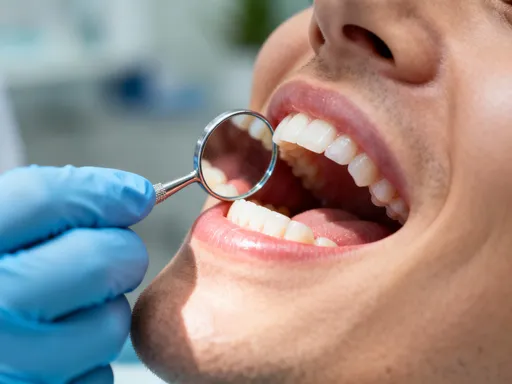
During a routine appointment, the dental team performs a comprehensive assessment. This includes a visual examination of teeth and soft tissues, periodontal probing to measure gum pocket depth, and dental X-rays to detect hidden decay or bone loss. These tools allow for early diagnosis and intervention, often before symptoms arise. The hygienist then performs a professional cleaning, using specialized instruments to remove plaque and tartar from above and below the gumline — areas that cannot be reached with brushing and flossing alone.
One of the most valuable aspects of these visits is the opportunity for personalized feedback. A dental professional can identify specific areas where technique may be lacking, recommend tailored products, and address concerns such as sensitivity or dry mouth. Open communication is encouraged; patients should feel comfortable discussing their habits, medications, or health conditions that may affect oral health. Early intervention not only prevents pain and complications but also reduces long-term costs associated with extensive restorative work.
Preventive care is not a luxury — it is a necessary investment in overall well-being. By partnering with a trusted dental team, individuals gain expert support in maintaining a healthy mouth for life. These appointments serve as both a safety net and a source of motivation, reinforcing the importance of daily habits and providing accountability.
True oral health isn’t about perfection — it’s about consistency, awareness, and working *with* your body’s natural systems. By understanding the science behind daily habits and making small, sustainable changes, anyone can build a stronger, healthier mouth. This isn’t just about avoiding cavities; it’s about investing in long-term well-being, one thoughtful choice at a time.