How I Boosted My Immunity Naturally with These Daily Moves
You’ve probably heard that exercise helps your immune system—but not all workouts are created equal. After constantly catching colds last winter, I dug into science-backed movement routines that actually support immunity. What I found wasn’t intense gym sessions, but simple, daily techniques that fit into real life. This is what changed my health, and why you might want to try it too—no fitness guru claims, just real results. The connection between movement and immune resilience is deeper than most realize, and the best strategies are often the gentlest. By shifting focus from performance to consistency, I discovered a sustainable path to feeling stronger, more energized, and less vulnerable to seasonal illnesses. This isn’t about dramatic transformations or extreme discipline. It’s about integrating small, science-informed habits that quietly strengthen your body’s natural defenses over time.
The Hidden Link Between Movement and Immunity
Physical activity plays a crucial role in how the immune system functions, but the relationship is more nuanced than simply “more exercise equals better health.” Movement influences the circulation of immune cells such as neutrophils, natural killer cells, and lymphocytes, helping them patrol the body more effectively. When you engage in moderate physical activity, these cells travel through the bloodstream and lymphatic system at an increased rate, enhancing their ability to detect and respond to pathogens early. This surveillance effect is one reason why people who stay consistently active tend to experience fewer upper respiratory infections and shorter illness durations.
At the same time, exercise helps regulate inflammation—a double-edged sword in immune health. While acute inflammation is a necessary response to injury or infection, chronic low-grade inflammation can impair immune function and contribute to long-term health issues. Regular, moderate movement has been shown to reduce markers of systemic inflammation, such as C-reactive protein, by promoting a balanced immune response. This is especially important as we age, since immune efficiency naturally declines and inflammatory processes tend to increase.
However, the benefits of exercise on immunity follow a U-shaped curve—both inactivity and excessive exertion can weaken defenses. Intense, prolonged workouts without adequate recovery may temporarily suppress immune activity, increasing susceptibility to infections in the hours and days following extreme exertion. This phenomenon, sometimes called the “open window” theory, suggests that while moderate activity boosts immune surveillance, overtraining can create a brief period of vulnerability. Therefore, the goal is not to push limits but to support the body’s natural rhythms through consistent, manageable movement.
It’s also important to dispel the myth that sweating heavily or feeling exhausted after a workout means you’re “detoxing” or building immunity. There is no evidence that intense sweating improves immune function, and dehydration or physical stress from overexertion can actually hinder it. The key lies in regularity and moderation—finding forms of movement that feel sustainable and supportive rather than draining. This shift in mindset—from chasing intensity to honoring the body’s need for balance—is foundational to building lasting immune resilience.
Why Your Daily Routine Matters More Than Intensity
When it comes to immune support, consistency trumps intensity every time. The most effective movement habits aren’t those that leave you sore or breathless, but the ones you can maintain day after day, regardless of schedule changes or energy levels. Research consistently shows that moderate, frequent activity provides more stable immune benefits than sporadic, high-effort sessions. This is because the immune system responds best to predictable, low-stress stimuli—much like a well-tuned instrument that performs better with regular use than with occasional overplaying.
Consider two different approaches: one person exercises intensely once a week, pushing through a long run or a punishing gym session, while another walks daily, does gentle stretching, and takes short movement breaks throughout the day. Over time, the second individual is likely to experience greater immune stability, even if their activity seems less impressive on the surface. The reason lies in the cumulative effect of movement—each small bout contributes to improved circulation, reduced stress hormones, and better metabolic regulation, all of which support immune function.
Real life is rarely conducive to rigid fitness routines. For many women in the 30–55 age range, daily responsibilities—managing households, caring for children or aging parents, working full-time—make long workouts difficult to sustain. That’s why building immunity through movement must be adaptable. Five minutes of mindful stretching in the morning, a 10-minute walk after dinner, or a few minutes of seated leg lifts during a phone call can add up meaningfully. These micro-movements keep the lymphatic system active, support circulation, and signal the body that it is in a state of balance rather than stress.
The concept of “exercise snacks” has gained traction in recent years, referring to brief bursts of activity scattered throughout the day. Studies suggest that even short durations of movement—such as three minutes of stair climbing or two minutes of bodyweight squats—can improve metabolic health and cardiovascular function, both of which are linked to immune performance. When practiced consistently, these small efforts create a background of physiological support that helps the immune system operate more efficiently. The message is clear: it’s not about doing more at once, but about moving a little, often.
Breath-Linked Movement: The Morning Reset
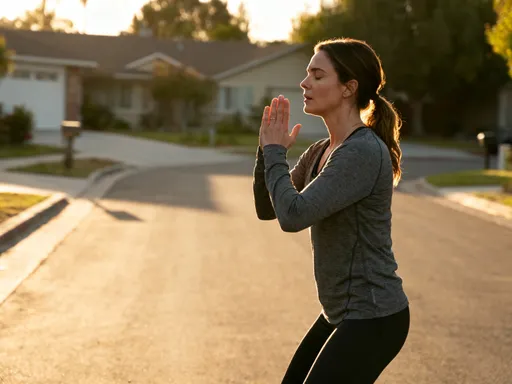
One of the most powerful yet overlooked tools for immune support is the combination of breath and gentle movement. Each morning, before the demands of the day begin, just three to five minutes of breath-linked motion can set a calming, regulating tone for the body. This practice works by activating the parasympathetic nervous system—the “rest and digest” branch—which counteracts the stress response that can suppress immune function. Chronic stress elevates cortisol and other stress hormones, which over time can reduce the production of protective antibodies and slow healing. By starting the day with intentional breathing and movement, you help lower these stress markers and create internal conditions where immunity can thrive.
A simple and effective routine involves diaphragmatic breathing paired with slow arm movements. Begin by sitting or standing with your spine tall and shoulders relaxed. Place one hand on your abdomen and the other on your chest. Inhale deeply through your nose, allowing your belly to rise as your diaphragm descends. As you inhale, slowly sweep your arms out to the sides and overhead, following the natural expansion of your ribcage. Exhale fully through the mouth, lowering your arms with control as your abdomen gently draws in. Repeat this sequence for 3–5 minutes, maintaining a smooth, rhythmic pace.
This movement does more than oxygenate the blood—it stimulates the vagus nerve, a key component of the parasympathetic system that helps regulate heart rate, digestion, and immune activity. A well-toned vagus nerve is associated with greater resilience to stress and improved immune coordination. The gentle muscle engagement in the shoulders, core, and back also promotes circulation without strain, preparing the body for the day ahead. Many people report feeling more centered and less reactive to stressors after just a few days of this practice.
Common mistakes to avoid include rushing the breath, lifting the shoulders too high, or holding tension in the neck. The goal is not to achieve a perfect form but to cultivate awareness and ease. If standing is uncomfortable, this can be done seated in a chair with feet flat on the floor. Some women find it helpful to pair this routine with a warm drink or a quiet moment of reflection, reinforcing the sense of ritual and self-care. Over time, this morning reset becomes a non-negotiable part of the day—a small act of commitment to long-term health.
Lymph-Stimulating Techniques You Can Do Anywhere
The lymphatic system is a critical but often forgotten part of immune function. Unlike the circulatory system, which has the heart to pump blood, the lymphatic system relies entirely on muscle contractions and movement to circulate lymph fluid. This fluid carries waste products, toxins, and immune cells throughout the body, making its flow essential for surveillance and detoxification. When movement is limited—such as during long periods of sitting—lymph can stagnate, potentially slowing immune responses and contributing to feelings of heaviness or bloating.
Fortunately, simple daily movements can keep lymph flowing efficiently. One effective method is rebounding, or gentle bouncing on a mini trampoline. Even one to two minutes of light jumping can stimulate lymphatic drainage by creating rhythmic muscular contractions in the legs and core. The up-and-down motion encourages fluid movement through the lymph vessels, helping transport immune cells to areas where they’re needed. For those without access to a rebounder, seated leg pumps offer a practical alternative. While sitting, extend one leg out straight, then pull it back in, repeating 10–15 times per side. This action engages the calf and thigh muscles, promoting circulation in the lower body where lymph tends to pool.
Another technique is dry brushing, a gentle exfoliation method that may also support lymph flow when done correctly. Using a soft-bristled brush, stroke the skin in long, upward motions starting from the feet and moving toward the heart. This should be done before showering, using light pressure—never to the point of redness or irritation. While scientific evidence on dry brushing and lymphatic drainage is limited, many people report improved skin texture and a sense of lightness after regular practice. It’s important to note that this method is not suitable for those with sensitive skin, varicose veins, or certain skin conditions, and should be approached with caution.
These lymph-stimulating practices are most effective when integrated into daily transitions—before a shower, during a work break, or while waiting for a meal to cook. Doing them for just a few minutes, two to three times a day, can make a noticeable difference in how the body feels. Women who have incorporated these habits often describe reduced bloating, clearer skin, and fewer colds over time. The key is consistency, not duration. By making lymphatic movement a regular part of the day, you support one of the body’s most vital but underappreciated defense systems.
Low-Impact Cardio That Actually Supports Immune Health
When it comes to cardiovascular exercise, the goal for immune support is not to maximize heart rate but to maintain a steady, moderate pace that enhances circulation without triggering excessive stress. Low-impact activities like walking, cycling, or swimming are ideal because they increase blood flow, deliver oxygen to tissues, and promote the movement of immune cells—all while being gentle on the joints and sustainable over time. The optimal intensity is often described as “conversational pace”—a level where you can talk comfortably but not sing. This ensures you’re working within the aerobic zone, where immune benefits are most pronounced.
Walking, in particular, is one of the most accessible and effective forms of immune-supportive exercise. A 30-minute walk most days of the week has been linked to reduced sick days and improved overall vitality. The rhythmic motion of walking engages large muscle groups, stimulates the lymphatic system, and helps regulate blood sugar—all factors that contribute to a resilient immune response. For those with busy schedules, walking can be woven into daily life: parking farther from store entrances, taking phone calls outdoors, or scheduling walking meetings with colleagues. Even breaking the walk into three 10-minute segments throughout the day can provide similar benefits.
Cycling, whether outdoors or on a stationary bike, offers similar advantages with added cardiovascular conditioning. It’s especially beneficial for those with joint concerns, as it provides aerobic benefits with minimal impact. Swimming is another excellent option, combining cardiovascular exercise with breath control and full-body movement. The hydrostatic pressure of water may also support lymphatic flow, making swimming a uniquely holistic choice for immune health.
The American Heart Association recommends at least 150 minutes of moderate-intensity aerobic activity per week for adults, which aligns well with immune-supportive goals. However, the focus should be on enjoyment and consistency rather than meeting strict targets. Choosing activities you genuinely like—such as walking in nature, dancing to music at home, or riding a bike through quiet neighborhoods—increases the likelihood of long-term adherence. When movement feels like a gift rather than a chore, it becomes a natural part of a healthy, balanced life.
Strength & Stability: Building Resilience from the Inside
Muscle isn’t just for strength—it plays a direct role in immune regulation. Skeletal muscle acts as an endocrine organ, releasing proteins called myokines during contraction that influence inflammation, metabolism, and immune cell behavior. One of the most studied myokines, interleukin-6 (IL-6), has dual roles: in acute exercise, it helps reduce inflammation and improve insulin sensitivity, while chronic elevation due to inactivity or disease can have the opposite effect. Regular strength training helps maintain a healthy balance, supporting both metabolic and immune health.
For women in midlife, maintaining muscle mass is especially important. After age 30, muscle mass declines by about 3–5% per decade, a process that accelerates after menopause. This loss, known as sarcopenia, is linked to slower recovery from illness, increased frailty, and reduced immune efficiency. Strength training—even with body weight—can slow or reverse this decline. Simple exercises like squats, wall push-ups, and step-ups engage major muscle groups without requiring equipment or a gym membership. Performing these 2–3 times per week can improve balance, boost energy, and enhance immune readiness.
Proper form is essential to prevent injury and maximize benefit. When doing a squat, for example, keep your chest lifted, knees aligned over toes, and lower as if sitting into a chair. Wall push-ups allow you to control intensity by adjusting your distance from the wall—closer for more challenge, farther for less. Step-ups can be done using a sturdy stair or low platform, focusing on slow, controlled movement. As strength improves, you can increase repetitions or add light hand weights, but the goal is not to lift heavy, but to move with control and consistency.
Equally important is allowing time for recovery. Muscles repair and grow during rest, and immune function can be temporarily suppressed if recovery is inadequate. That’s why spacing strength sessions with at least one day of rest in between is crucial. Pairing strength work with good sleep, hydration, and balanced nutrition further supports immune resilience. Over time, these habits build not just physical strength, but a deeper physiological foundation for long-term health.
Putting It All Together: A Realistic Weekly Plan
Integrating immune-supportive movement into daily life doesn’t require a rigid schedule or hours of commitment. The most effective approach is a flexible, layered plan that combines breath-linked practices, lymph stimulation, cardio, and strength work in a way that fits your lifestyle. For a busy parent, this might mean morning breathwork while the coffee brews, leg pumps during a child’s homework time, a 20-minute walk after dinner, and a short bodyweight routine three times a week. For an office worker, it could include seated lymph exercises during breaks, a walking lunch, and evening stretching to unwind.
A sample day might look like this: start with 3–5 minutes of breath-linked arm sweeps to activate the parasympathetic system. Mid-morning, do 2 minutes of seated leg pumps or take a short walk around the block. At lunch, aim for a 20–30 minute walk, ideally outdoors. In the evening, perform a 10-minute bodyweight routine—10 squats, 10 wall push-ups, 10 step-ups per leg—followed by gentle stretching. On two or three non-consecutive days, add a slightly longer walk or swim. The key is to distribute movement throughout the week rather than concentrating it in one or two sessions.
Flexibility is essential. Some days will be more active than others, and that’s okay. The goal is progress, not perfection. Missing a day doesn’t negate the benefits of the ones before it. What matters is returning to the routine without guilt or self-criticism. Over time, these small actions accumulate, creating a background of physiological support that helps the immune system function at its best.
Before starting any new movement routine, especially if you have chronic health conditions or are new to exercise, it’s wise to consult with a healthcare provider. They can help tailor recommendations to your individual needs and ensure safety. Once cleared, begin slowly and listen to your body’s signals. Discomfort is normal when starting something new, but pain is not. Adjust intensity, duration, or form as needed to stay within a comfortable range.
Ultimately, the goal is not to become an athlete, but to build a lifestyle that naturally supports immune health. By focusing on consistency, moderation, and self-awareness, you create a foundation of resilience that extends far beyond avoiding colds. You gain more energy, better sleep, improved mood, and a greater sense of control over your well-being. These are the real rewards of moving with intention every day.
Boosting immunity isn’t about extreme measures or complicated regimens. It’s about returning to the basics—gentle, regular movement that honors the body’s natural rhythms. The most powerful changes often come from the smallest, most sustainable habits. By incorporating breath-linked practices, lymph stimulation, moderate cardio, and strength training into your routine, you give your immune system the support it needs to function optimally. This isn’t a quick fix, but a long-term commitment to health that pays dividends for years to come. Start where you are, use what you have, and do what you can. Over time, you’ll likely notice not just fewer illnesses, but a deeper sense of vitality and balance. That’s the true power of moving smarter, not harder.