Why My Joints Finally Feel Strong Again – A Real Talk on Smart Rehab
Joints don’t scream for attention until they hurt. Millions face stiffness, discomfort, and reduced mobility—often ignoring early signs until daily life becomes harder. I’ve been there. But here’s the good news: with the right rehabilitation training, joint health can improve. This isn’t about quick fixes, but science-backed, sustainable strategies that protect and restore function. Let’s explore how smart movement, consistency, and professional guidance can make a real difference.
The Silent Crisis of Joint Health
Joint discomfort is one of the most underreported yet widespread health concerns in adults over 30. It often begins subtly—a slight stiffness when getting out of bed, a faint ache climbing stairs, or a twinge when lifting groceries. These signals are easily dismissed as signs of aging or overexertion, but they are early warnings from the body. According to the World Health Organization, musculoskeletal conditions affect more than 1.7 billion people globally, with joint pain being a leading cause of disability and reduced quality of life. Among adults aged 45 and older, osteoarthritis alone affects nearly 10% of men and 13% of women, numbers that rise steadily with age.
Despite its prevalence, joint health remains a silent crisis because symptoms develop gradually and are often normalized. People adapt—taking the elevator instead of stairs, avoiding certain movements, or relying on over-the-counter pain relief. While these adjustments provide short-term comfort, they can accelerate joint deterioration by reducing mobility and weakening supporting muscles. The real cost isn’t just physical; it’s the slow erosion of independence. Tasks like gardening, playing with grandchildren, or walking a dog become daunting, not by choice, but by limitation.
Early intervention is crucial. Studies show that initiating rehabilitation before significant cartilage loss or inflammation sets in can delay or even prevent the need for surgical intervention. Yet, many wait until pain becomes unbearable before seeking help. This delay often results in longer recovery times and reduced treatment effectiveness. The message is clear: joint health should not be reactive. It requires proactive care, much like dental hygiene or cardiovascular fitness. Recognizing the early signs—persistent stiffness lasting more than 30 minutes in the morning, swelling after activity, or clicking sounds during movement—is the first step toward long-term joint preservation.
How Joints Actually Work – A Simple Breakdown
To understand joint rehabilitation, it helps to know what joints are and how they function. At their core, joints are connection points between bones that allow movement. Think of them as sophisticated hinges, pivots, and ball-and-socket systems engineered for stability and flexibility. Each joint is surrounded by a capsule filled with synovial fluid, a slippery substance that lubricates the joint surface, much like engine oil keeps a car’s moving parts running smoothly. This fluid nourishes the cartilage—the smooth, rubbery tissue that cushions the ends of bones—and reduces friction during motion.
Cartilage plays a vital role, acting like a shock absorber in a vehicle. It distributes weight evenly across the joint, preventing bone-on-bone contact. Unlike muscles or skin, cartilage has no direct blood supply, so it relies on movement to receive nutrients through the synovial fluid. This is why regular, gentle motion is essential—it’s not just about flexibility, but about feeding the joint. When movement decreases, cartilage can weaken over time, making joints more vulnerable to wear and injury.
Muscles, tendons, and ligaments also play critical roles in joint health. Muscles act as dynamic stabilizers, supporting joints during movement. Tendons connect muscles to bones, while ligaments connect bones to each other, providing passive stability. When these soft tissues are strong and well-coordinated, joints function efficiently. But when muscles weaken or become imbalanced—often due to inactivity or repetitive strain—the joint bears more stress, increasing the risk of degeneration. Understanding this system helps clarify why rehabilitation focuses not just on the joint itself, but on the entire kinetic chain that supports it.
Why Rehabilitation Beats Quick Fixes
When joint pain strikes, many turn to quick fixes—over-the-counter pain relievers, ice packs, or rest. While these methods can reduce discomfort temporarily, they do not address the underlying causes of joint dysfunction. Painkillers mask symptoms without repairing tissue or improving joint mechanics. Rest, while sometimes necessary, can lead to stiffness and muscle atrophy if prolonged. In contrast, rehabilitation targets the root issues: weakness, instability, poor movement patterns, and inflammation. It’s the difference between silencing an alarm and fixing the problem that triggered it.
Clinical evidence supports rehabilitation as a cornerstone of joint care. For conditions like knee osteoarthritis, structured exercise programs have been shown to reduce pain by up to 40% and improve function significantly, according to research published in the journal *Arthritis & Rheumatology*. Physical therapy interventions, including strength training, flexibility exercises, and neuromuscular re-education, help restore proper joint alignment and movement efficiency. These changes reduce abnormal stress on the joint, slow cartilage breakdown, and enhance the body’s natural healing processes.
One of the most powerful aspects of rehabilitation is its ability to retrain the nervous system. The brain and muscles communicate constantly to coordinate movement. After injury or prolonged inactivity, this communication can become inefficient, leading to compensatory patterns—like limping or favoring one side. Rehabilitation exercises improve neuromuscular control, helping the body move more smoothly and safely. Over time, this leads to better joint stability, reduced pain, and greater confidence in daily activities. Unlike temporary fixes, rehabilitation builds lasting resilience.
Core Principles of Effective Joint Rehabilitation
Successful joint rehabilitation rests on a foundation of key principles that guide safe and effective progress. The first is progressive loading—the gradual increase of stress placed on the joint and surrounding tissues. Just as muscles grow stronger with resistance, joints adapt and strengthen when exposed to controlled, increasing demands. This principle is based on the concept of mechanotransduction, where mechanical forces stimulate cellular activity that promotes tissue repair and remodeling. However, progression must be carefully managed. Too much too soon can cause flare-ups; too little leads to stagnation. A well-designed program starts with low-intensity movements and gradually builds duration, frequency, and resistance.
Proper alignment is another cornerstone. Misalignment, even minor, can create uneven pressure within a joint, accelerating wear. For example, during a squat, if the knees cave inward, the medial compartment of the knee bears excessive load, increasing the risk of cartilage damage. Rehabilitation teaches correct biomechanics through cues and feedback, ensuring movements are performed safely. This often involves posture correction, joint positioning, and core engagement to distribute forces evenly across the body.
Neuromuscular control—the brain’s ability to coordinate muscle activation around a joint—is equally important. Joints rely on dynamic stability from muscles to function optimally. Weak or delayed muscle responses can lead to instability and injury. Exercises that challenge balance, such as standing on one leg or using unstable surfaces, enhance proprioception (the body’s sense of position) and improve muscle timing. This not only protects the joint during everyday movements but also boosts confidence in physical activity.
Finally, consistency is non-negotiable. Joint rehabilitation is not a sprint but a marathon. Benefits accumulate over weeks and months of regular practice. Missing sessions or stopping too soon can undo progress. The most effective programs are those that become part of a daily routine, integrated into life like brushing teeth or eating meals. These four principles—progressive loading, proper alignment, neuromuscular control, and consistency—form the backbone of any successful joint rehab strategy, regardless of age or fitness level.
Daily Habits That Support Joint Recovery
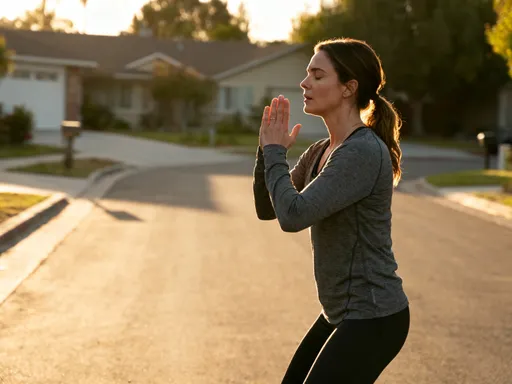
Rehabilitation extends beyond formal exercise sessions. Daily habits play a powerful role in joint health, either supporting recovery or undermining it. One of the most impactful habits is posture. Poor posture—slouching at a desk, craning the neck forward while using a phone, or standing with weight shifted to one hip—creates imbalances that strain joints over time. The spine, hips, knees, and shoulders are all affected by how we hold ourselves. Simple adjustments, like sitting with feet flat on the floor, keeping the computer screen at eye level, and taking frequent breaks to stand and stretch, can reduce joint stress significantly.
Hydration is another often-overlooked factor. Cartilage is about 70% water, and synovial fluid depends on adequate hydration to maintain its lubricating properties. Dehydration can make joints feel stiffer and more achy, especially in the morning. Drinking enough water throughout the day—typically six to eight glasses, depending on activity level and climate—helps keep joints well-lubricated and responsive. Pairing hydration with a balanced diet rich in anti-inflammatory foods, such as fatty fish, leafy greens, nuts, and berries, further supports joint health by reducing systemic inflammation.
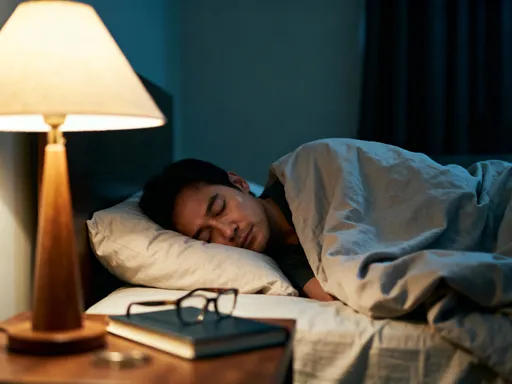
Sleep is equally vital. During deep sleep, the body repairs tissues, reduces inflammation, and balances hormones that regulate pain and healing. Chronic sleep deprivation can heighten pain sensitivity and slow recovery. Aim for seven to nine hours of quality sleep per night, with a consistent bedtime routine to support restorative rest. Additionally, low-impact physical activities like walking, swimming, or cycling promote circulation to joint tissues without overloading them. These activities enhance mobility, strengthen supporting muscles, and improve mood—factors that collectively support long-term joint function.
When to Seek Professional Help – And Why It Matters
While many joint issues can be managed with self-care and guided exercise, there are times when professional evaluation is essential. Red flags such as persistent swelling, joint locking or catching, significant loss of range of motion, or pain that worsens at rest should not be ignored. These symptoms may indicate underlying conditions like meniscus tears, ligament injuries, or inflammatory arthritis, which require specialized diagnosis and treatment. Attempting to rehabilitate without proper assessment can lead to further damage or delayed recovery.
Physical therapists and sports medicine specialists are trained to evaluate joint function, identify movement impairments, and design personalized rehabilitation programs. They use clinical tests, movement analysis, and patient history to pinpoint the source of dysfunction. For example, knee pain may originate not from the knee itself, but from weak hip muscles or tight ankle joints. A professional can detect these subtle imbalances and address them with targeted interventions. This level of precision is difficult to achieve through generic online workouts or self-diagnosis.
Collaborating with a healthcare provider also ensures safety and accountability. They can monitor progress, adjust exercises as needed, and provide hands-on techniques like manual therapy or joint mobilization that enhance recovery. For those managing chronic conditions like arthritis, working with a professional helps maintain function and prevent flare-ups. While self-guided efforts are valuable, they are most effective when combined with expert guidance, especially during the early stages of rehabilitation or when progress stalls.
Building a Sustainable Joint Care Routine
The key to lasting joint health is not intensity, but sustainability. A routine that feels overwhelming or painful will not be maintained. The most effective approach starts slowly, with manageable goals—such as five minutes of gentle stretching each morning or two short walks per week. As the body adapts, duration and complexity can increase. Tracking progress, whether through a journal, app, or simple calendar checkmarks, provides motivation and reveals patterns over time. Celebrating small wins—like being able to tie shoes without pain or walking up a hill without stopping—reinforces commitment.
Flexibility is also important. Life changes, and so should a joint care routine. Seasons, travel, stress levels, and energy fluctuate, and the program must adapt accordingly. Some days may call for more rest; others allow for greater activity. Listening to the body’s signals—distinguishing between good discomfort (a sign of effort) and bad pain (a warning to stop)—is crucial. This mindful approach fosters a respectful relationship with the body, where movement is seen not as punishment, but as nourishment.
Staying motivated over the long term requires purpose. Connecting joint care to meaningful activities—playing with grandchildren, gardening, traveling, or dancing—helps maintain focus. When the goal is not just pain reduction but the ability to live fully, consistency becomes easier. Support from family, friends, or community groups can also make a difference. Sharing experiences, joining a walking group, or attending a low-impact exercise class adds social engagement to physical benefits.
Ultimately, joint rehabilitation is not about achieving perfection. It’s about making steady, informed choices that protect mobility and independence. The habits formed today—gentle movement, proper alignment, hydration, rest, and professional guidance when needed—compound over time. They build a foundation for a life where joints don’t hold you back, but carry you forward with strength and ease.
Joint rehabilitation isn’t about dramatic transformations—it’s about smart, steady choices that add up. With the right knowledge and habits, anyone can support their joints, improve function, and reclaim ease in movement. This isn’t just healthcare; it’s a long-term investment in freedom and quality of life.