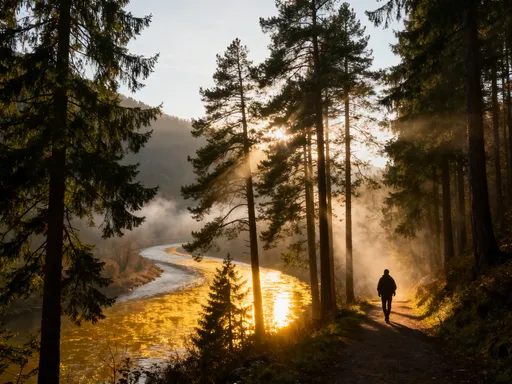
You Gotta See Nuremberg from Up Here – Hiking Views That Steal Your Breath
Hiking around Nuremberg isn’t just about steps—it’s about moments where the world falls away and history spreads out below you. I never expected forest trails to deliver such raw, panoramic beauty. From ancient city walls to quiet hilltop clearings with golden sunset views, these viewpoints redefine how you see this German gem. It’s not just a walk—it’s a journey through nature, culture, and pure awe. Let me show you why looking down on Nuremberg is the ultimate reward.
Why Hiking in Nuremberg Offers a Unique Perspective
Nuremberg is often experienced through cobblestone streets and centuries-old architecture, with tourists drawn to the Imperial Castle, Hauptmarkt, and the intricate Gothic façades of its historic center. While these landmarks are undeniably captivating, they only reveal one layer of the city’s identity. Hiking in the surrounding hills and forests unlocks a broader narrative—one where nature and history intertwine in unexpected ways. The elevation gained from even a modest climb transforms the way you perceive the city’s layout, its strategic placement along the Pegnitz River, and its deep connection to the Franconian landscape.
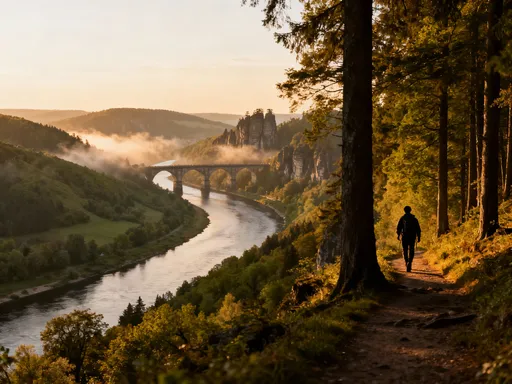
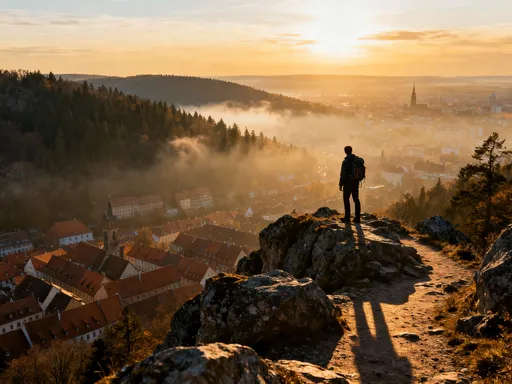
Unlike the curated paths of guided tours, hiking allows for personal discovery. There are no timed entries, no crowded observation decks—just the rhythm of your footsteps and the gradual unfolding of views. As you ascend through mixed woodland, the sounds of the city fade, replaced by birdsong and the rustle of leaves underfoot. Suddenly, through a break in the trees, the red-tiled rooftops of Nuremberg emerge, framed by distant hills and a skyline shaped by both time and resilience. This shift in perspective is more than visual; it’s emotional. You begin to understand not just what the city looks like, but how it fits into the land.
What makes these elevated experiences so powerful is their contrast to everyday sightseeing. From ground level, Nuremberg feels intimate, even enclosed, with its fortified walls and narrow lanes. But from above, it appears open, expansive, and surprisingly green. Parks, riverbanks, and forested ridges weave through the urban fabric, revealing a city that breathes with nature. This duality—historic yet alive, structured yet surrounded by wilderness—is best appreciated from the vantage points that hiking provides. It’s a reminder that cities are not separate from nature, but shaped by it.
Top Viewpoints Accessible by Foot
Among the most rewarding experiences in the Nuremberg region is discovering its natural overlooks—places where the terrain opens up and the city sprawls beneath in breathtaking clarity. One of the most accessible and iconic is the viewpoint near Schüttberg, a forested hill just southeast of the city center. From its southern slope, hikers are greeted with an unobstructed panorama of Nuremberg’s skyline, with the Imperial Castle perched prominently on its rocky outcrop. On clear days, the view extends beyond the city limits into the rolling hills of Franconia, where patchwork fields and small villages dot the landscape.
Another standout is the area around the Peller Castle ruins, located within the Reichswald forest. Though the structure itself is a quiet remnant of medieval times, the real attraction lies in the elevated clearing that surrounds it. Here, the treetops form a natural balcony, offering sweeping views across the Pegnitz Valley. In autumn, the scene is especially dramatic, with golden and crimson foliage framing the distant rooftops. The path leading to this spot is well-maintained and marked with yellow signs, making it suitable for hikers of all experience levels. What sets this location apart is its tranquility—despite its proximity to the city, it feels worlds away.
Along the northern edge of Nuremberg, the trails near the Silberbuck nature reserve provide another excellent vantage. This protected area is known for its biodiversity, but it also features several elevated clearings that overlook the city’s quieter districts. From one particular ridge, you can see the modern skyline blend seamlessly with historic spires, all set against the soft curve of the river. These viewpoints are not the result of grand construction or tourist infrastructure—they are gifts of the landscape, waiting to be discovered by those willing to walk a little farther. Each offers a different angle, a different light, and a different mood, depending on the time of day and season.
Best Hiking Trails Leading to Iconic Lookouts
For those eager to reach these elevated perspectives, several well-established trails offer both scenic beauty and physical satisfaction. The Reichswald forest trail is one of the most popular, stretching approximately 12 kilometers from the village of Zerzabelshof into the heart of the woodland. Marked with a white cross on a blue background, this route winds through dense beech and pine forests, crossing small streams and passing remnants of old stone walls. Roughly halfway through, the path ascends steadily, and just before reaching the Peller Castle ruins, hikers are rewarded with their first sweeping view of Nuremberg to the south. The contrast between the deep green forest and the urban expanse below is striking, making this a favorite among photographers and nature lovers alike.
Another excellent option is the trail that begins in Lauf an der Pegnitz and follows the river upstream into Nuremberg’s northern outskirts. This 15-kilometer route combines riverside walking with gentle climbs through residential fringes and wooded hills. The real highlight comes near the end, as the trail ascends a ridge known locally as the Hohenlohe Höhe. From here, the entire valley opens up, with the river snaking through the city like a silver ribbon. The view captures both the historic core and the modern expansions, illustrating Nuremberg’s evolution over centuries. Because this route starts outside the city, it tends to be less crowded, offering a peaceful start to what becomes a deeply immersive experience.
For a shorter but equally rewarding loop, the Silberbuck nature reserve trail is ideal. This 8-kilometer circuit begins near the Doku-Zentrum and winds through protected forest, meadows, and rocky outcrops. The terrain varies from flat forest paths to steeper inclines, but the effort is well worth it. One of the most memorable moments on this trail comes just after a sharp climb near the northern ridge, where the canopy parts and the city appears in full view—especially stunning at sunrise, when the morning light bathes the rooftops in gold. The trail is clearly marked with green signs and features informational boards about local flora and fauna, adding an educational dimension to the hike.
What to Pack and When to Go for the Best Experience
While the trails around Nuremberg are generally well-maintained and safe, preparation enhances both comfort and enjoyment. A lightweight backpack is essential, containing at least one liter of water per person, especially during warmer months. Even on shorter hikes, dehydration can set in quickly, particularly during climbs. Energy-boosting snacks such as nuts, dried fruit, or granola bars help maintain stamina, especially on longer routes like the Lauf to Nuremberg trail. A small first-aid kit with blister treatment, antiseptic wipes, and bandages is also recommended, as unexpected minor injuries can disrupt an otherwise perfect day.
Footwear is perhaps the most critical consideration. Sturdy hiking shoes with good ankle support and grip are ideal, particularly on trails with loose gravel, roots, or wet leaves. The forest paths can become slippery after rain, and proper traction reduces the risk of slips or falls. While some trails are accessible in regular walking shoes, those planning to explore more remote or uneven terrain should invest in quality footwear. Moisture-wicking socks help prevent blisters, and layering clothing allows hikers to adjust to changing temperatures—cool in the shaded woods, warmer in open clearings.
Timing your hike can dramatically affect the experience. Early morning offers the clearest air and soft, diffused light, ideal for photography and visibility. By midday, haze can reduce long-distance views, especially in summer. Golden hour—just before sunset—transforms the cityscape into a warm, glowing panorama, with shadows stretching across the hills and rooftops catching the last light. Autumn and winter provide the best visibility due to fewer leaves and lower humidity, though early morning fog can linger in the valleys. Spring brings lush greenery and blooming wildflowers, but trails may be muddy after rain. Checking the local weather forecast before departure ensures a safer and more enjoyable outing.
How These Viewpoints Connect to Local History and Culture
The beauty of hiking near Nuremberg lies not only in the scenery but in the subtle echoes of history that accompany every step. Many of the trails pass by remnants of medieval fortifications, old watchtowers, and sections of the city’s ancient defense walls. These structures were not merely decorative—they were strategic, built to monitor movement, protect trade routes, and guard against invasion. From the vantage points now enjoyed by hikers, sentries once scanned the horizon for approaching armies. Standing in these same spots, one can almost feel the weight of that responsibility, the vigilance required to protect a city of such importance.
The Imperial Castle, visible from nearly every major viewpoint, was the heart of this defensive network. Its elevated position was chosen deliberately, allowing rulers to oversee the surrounding region and respond quickly to threats. The trails leading to viewpoints like Schüttberg and Silberbuck often follow routes that were once used by messengers, scouts, and supply carriers. Walking these paths today, modern hikers tread the same ground as those who shaped the city’s past. Interpretive signs along some trails provide historical context, explaining the significance of certain ruins or terrain features, enriching the experience with knowledge.
Beyond military history, these elevated spaces also reflect cultural values. The preservation of forests like the Reichswald and Silberbuck demonstrates a long-standing German commitment to nature and public access to green spaces. The concept of *Waldluft*—forest air—as restorative and healing has deep roots in Central European culture. Hiking is not just recreation; it is a tradition, a way of connecting with the land and with history. From above, Nuremberg appears not just as a city of stone and steel, but as a living entity shaped by centuries of human care, conflict, and renewal. This deeper understanding elevates the hike from a simple walk to a meaningful journey through time.
Avoiding Crowds While Still Staying Safe
One of the greatest advantages of hiking in the Nuremberg region is the opportunity to escape the crowds that gather in the historic center. While the old town buzzes with tourists, markets, and guided tours, the forest trails remain remarkably peaceful. This solitude enhances the experience, allowing for quiet reflection, closer observation of nature, and a deeper connection to the surroundings. To maintain this sense of privacy, it helps to choose less-traveled access points. For example, starting the Silberbuck loop from the northern trailhead near Allersbergstraße avoids the more popular southern entrance, which can see moderate traffic on weekends.
Similarly, beginning the Reichswald trail from Zerzabelshof rather than from the city side reduces initial congestion. The trail from Lauf an der Pegnitz is naturally less frequented due to its distance from central Nuremberg, making it ideal for those seeking a more immersive experience. Weekday mornings are typically the quietest times, while weekends—especially in spring and autumn—see an increase in local hikers and families. Arriving early ensures not only fewer people but also better parking availability at trailheads.
Safety remains important, even on well-marked routes. All major trails are clearly signposted with standardized symbols and distance markers, making navigation straightforward. Most have mobile phone coverage, though signal strength can vary in deep forest areas. Carrying a physical map or using an offline hiking app like Komoot or Outdooractive provides backup navigation. Informing someone of your route and expected return time is a simple but effective precaution. Trail conditions are generally good, with regular maintenance by local forestry authorities. In winter, some paths may be icy, so trekking poles or microspikes can improve stability. Overall, the combination of accessibility, signage, and natural beauty makes these hikes safe and rewarding for a wide range of visitors.
Why Elevated Views Deepen Your Travel Experience
There is something profoundly moving about standing above a city you’ve come to know from the ground. The physical effort of the climb—the steady rhythm of breath, the burn in the legs, the quiet focus required—prepares the mind for a moment of clarity. When the view finally opens up, it feels earned. This is not a passive observation from a tourist bus or an elevator ride to a viewing platform. It is a personal achievement, a reward for effort, and as such, it carries emotional weight.
From these high points, Nuremberg reveals itself in layers. The medieval core, the 19th-century expansions, the modern districts—all are visible at once, telling a story of continuity and change. The forested hills that cradle the city are no longer just background; they are active participants in its identity. The Pegnitz River, seen from above, becomes a lifeline, weaving through neighborhoods and parks, connecting past and present. In that moment, the traveler is not just seeing the city—they are feeling it, understanding it in a way that only elevation and effort can provide.
This kind of experience changes how we travel. It shifts the focus from checklist tourism to mindful exploration. Instead of rushing from one landmark to the next, we slow down, pay attention, and let the landscape speak. The views from Nuremberg’s hills are not just beautiful—they are transformative. They invite us to return in different seasons, to see how light changes, how colors shift, how the city breathes with the rhythm of nature. Each hike becomes a new conversation with the same place, deepening our connection over time. So lace up your boots, pack your water, and take the path upward. Because sometimes, the best way to know a city is to leave it behind—just long enough to see it whole.