You Won’t Believe What I Found Exploring LA’s Hidden Districts
Los Angeles is more than Hollywood and palm-lined beaches—it’s a city of secrets, split into neighborhoods each with its own soul. I hit the streets to uncover the real LA, far from tourist traps. From gritty street art alleys to foodie havens no guidebook mentions, every district tells a different story. This isn’t just sightseeing—it’s feeling the city breathe. If you think you know LA, think again.
Beyond the Postcard: Rethinking Los Angeles
Los Angeles is often reduced to a handful of glossy images—sun-kissed celebrities strolling Rodeo Drive, surfers cutting through Pacific waves, endless freeways glowing at night. But for those willing to look beyond the postcard, the city reveals a far richer narrative. LA is not a monolith; it’s a patchwork of communities, each with its own rhythm, history, and flavor. These districts, stretching from the industrial edges of the Arts District to the leafy hills of Mount Washington, form the true heartbeat of the city. To travel here without exploring its neighborhoods is to skim the surface of a deep and complex story.
The shift in modern travel habits supports this deeper exploration. Today’s travelers, especially those in their 30s to 50s, increasingly seek authenticity over convenience. They want to walk where locals walk, eat where families gather, and discover places that don’t appear on every Instagram feed. This trend, often called experiential tourism, values connection and context. It’s not enough to see the Hollywood Sign from afar; people want to understand how it fits into the lives of those who live beneath it. This mindset opens the door to LA’s hidden districts, where culture isn’t performed—it’s lived.
What makes these neighborhoods so compelling is their ability to surprise. A side street in Highland Park might lead to a courtyard filled with handmade ceramics. A modest storefront in Echo Park could house a coffee roaster using beans sourced from family farms. These moments don’t happen by accident—they arise from the city’s long-standing tradition of creativity, resilience, and reinvention. By shifting focus from attractions to atmosphere, visitors gain a more nuanced, human-scale understanding of Los Angeles. It’s a city that rewards curiosity and resists easy definition.
Downtown LA: The Beating Heart Reborn
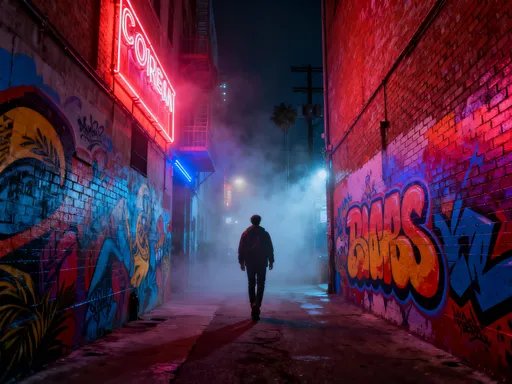
Downtown Los Angeles, once dismissed as a concrete maze best avoided after dark, has undergone one of the most remarkable urban transformations in recent American history. Today, DTLA pulses with energy, drawing artists, entrepreneurs, and families alike. At its core is the Arts District, a former industrial zone where brick warehouses now house contemporary art galleries, craft breweries, and design-forward restaurants. The scent of freshly brewed coffee mingles with the earthy tang of spray paint as visitors wander streets adorned with towering murals. This is a place where creativity thrives in raw, unpolished spaces.
The Historic Core adds another layer to DTLA’s revival. Here, ornate 1920s buildings—once home to movie palaces and department stores—have been restored and repurposed. The Bradbury Building, with its iron-railed elevators and sunlit atrium, remains a marvel of Victorian architecture and a favorite filming location. But beyond the glamour, the area now hosts boutique shops, independent bookstores, and intimate music venues. On weekends, the Historic Theatre District comes alive with pop-up markets and live performances, turning sidewalks into stages for local talent.
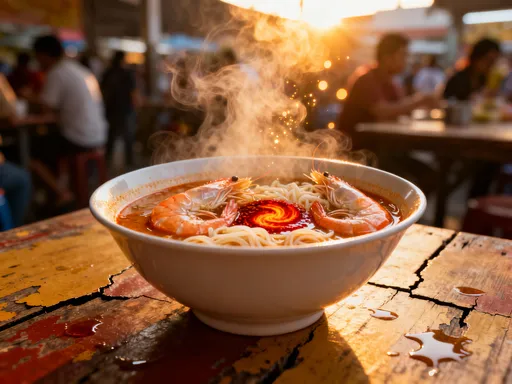
Equally important is DTLA’s evolving food culture. From the smoky aroma of al pastor tacos at a late-night stand to the delicate pastries at a French-inspired bakery, the district offers a culinary journey that mirrors its diversity. Food halls like Grand Central Market bring together vendors from across LA’s cultural spectrum—Korean tacos, Oaxacan tamales, and vegan donuts all under one roof. These spaces are more than places to eat; they are gathering points where communities intersect.
Accessibility has played a crucial role in DTLA’s resurgence. The Metro Rail system connects the district to neighborhoods across the city, making it easy to visit without a car. Local DASH buses offer free rides within downtown, encouraging exploration on foot. This combination of transit and walkability allows visitors to experience the city at a human pace, discovering hidden courtyards, street art alleys, and quiet plazas often missed by those rushing between landmarks.
Echo Park & Silver Lake: Cool, Quirky, and Unfiltered
Just north of downtown, Echo Park and Silver Lake form a dynamic duo that captures the spirit of LA’s creative class. Echo Park, centered around its namesake lake, offers a rare blend of natural beauty and urban edge. On any given afternoon, families paddle across the water in bright swan-shaped boats while the downtown skyline rises in the distance. The surrounding streets hum with activity—vegan bakeries, independent record stores, and cozy cafes where conversation flows as freely as the coffee.
The neighborhood’s charm lies in its contradictions. A 1950s-era diner might sit across from a mural depicting a surreal dreamscape. A community garden thrives beside a graffiti-covered underpass. These contrasts aren’t accidental; they reflect a culture that values individuality and self-expression. Small businesses, often family-run or artist-owned, define the streetscape. A bookstore might double as a poetry reading space; a laundromat could host monthly art exhibitions. These spaces foster connection, turning casual visitors into regulars.
Silver Lake, just a short walk west, shares a similar vibe but with its own distinct character. Perched on a hillside, it offers sweeping views of the city, especially at sunset from the path around the reservoir. The area’s cafés—many with outdoor seating and Wi-Fi—have become unofficial offices for writers, designers, and freelancers. Yet despite its reputation for trendiness, Silver Lake retains a sense of warmth. Neighbors greet each other by name; dogs roam leash-free in designated parks; community events draw crowds without feeling commercialized.
Both neighborhoods thrive on discovery. A narrow alley might lead to a hidden garden. A nondescript door could open into a jazz lounge with live music on weeknights. These moments of surprise are what make Echo Park and Silver Lake so rewarding to explore. They invite slow travel—strolling without a strict agenda, allowing the city to reveal itself piece by piece. For travelers seeking authenticity, these districts offer a refreshing alternative to crowded tourist zones.
The Arts District: Grit Meets Genius
If creativity had a physical address in Los Angeles, it would be the Arts District. Once a cluster of abandoned factories and auto repair shops, this neighborhood has become a magnet for artists, chefs, and designers drawn to its wide streets, high ceilings, and industrial charm. The transformation began in the 1970s when pioneering artists moved into cheap warehouse spaces, drawn by low rents and abundant natural light. Over decades, what started as a fringe movement evolved into a cultural epicenter.
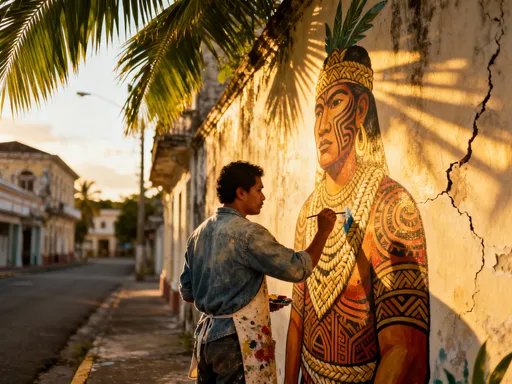
Walking through the Arts District today is like stepping into an open-air gallery. Murals cover entire building facades, their bold colors and intricate designs telling stories of identity, resistance, and hope. Some are commissioned works by internationally recognized artists; others are spontaneous expressions by local talent. Guided walking tours offer insight into the techniques and themes behind the art, but even a solo stroll rewards the observant traveler. Around every corner, there’s something new—a hidden courtyard, a pop-up sculpture, a hand-painted sign for a coffee shop that looks like a modern art installation.
Equally impressive is the district’s culinary and cultural scene. Hauser & Wirth, a world-renowned contemporary art gallery, occupies a sprawling complex that includes a restaurant, garden, and event space. It’s not uncommon to see families picnicking on the lawn while children sketch nearby installations. Nearby, breweries like Angel City and Mumford tap into the neighborhood’s collaborative spirit, often hosting live music, food trucks, and art markets. These spaces blur the line between leisure and culture, making art accessible rather than intimidating.
What sets the Arts District apart is its balance of polish and rawness. Unlike more sanitized downtown developments, it retains a sense of edge—a reminder of its working-class roots. Exposed brick, rusted metal, and cracked sidewalks coexist with sleek boutiques and gourmet eateries. This tension is part of its appeal. It’s a place where creativity isn’t packaged for consumption but lived in real time, imperfect and evolving. For travelers who appreciate authenticity, the Arts District offers a powerful example of how urban spaces can transform without losing their soul.
Highland Park & Northeast LA: Culture, Crafts, and Community
As you move northeast from downtown, the city’s pace slows, and a different kind of LA emerges. Highland Park, one of the city’s oldest neighborhoods, pulses with Mexican-American heritage and a growing creative community. York Boulevard, the main artery, is a vibrant mix of vintage clothing stores, family-run taquerias, and cozy brunch spots. Murals honoring cultural icons like Selena and Cesar Chavez adorn building walls, serving as both decoration and tribute. This is a neighborhood where tradition and innovation coexist, where abuelas shop for fresh tortillas while artists set up studios in converted garages.
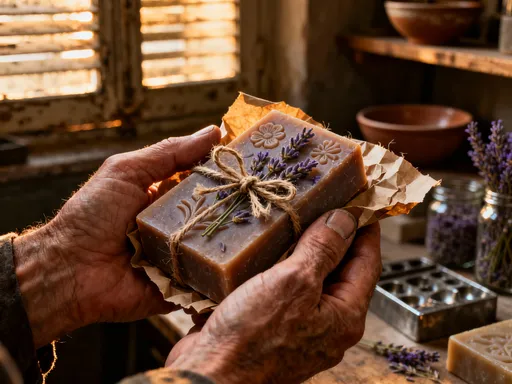
Just beyond, neighborhoods like Mount Washington and Garvanza offer a quieter, more residential feel. Nestled in the hills, they provide sweeping views of the city and a sense of retreat without leaving urban life behind. Homes here often blend mid-century modern design with handcrafted details—exposed beams, stained glass, and custom tile work. The area attracts makers and artisans who value space, light, and independence. Self-serve pottery studios, woodworking shops, and community gardens reflect a culture that values hands-on creation.
What makes Northeast LA special is its emphasis on community. Farmers markets feature local growers and food producers, often with live music and children’s activities. Art walks invite visitors into private studios, breaking down the barrier between artist and audience. These events aren’t curated for tourists; they’re part of the neighborhood’s rhythm. Residents participate not for profit but for connection, fostering a sense of belonging that’s rare in a sprawling city like LA.
For travelers, this area offers a chance to experience LA at a different scale—one where human interaction matters more than spectacle. A conversation with a shop owner might lead to a recipe for handmade tamales. A chance encounter at a neighborhood fair could result in an invitation to a backyard concert. These moments don’t fit neatly into travel itineraries, but they often become the most memorable parts of a trip. Highland Park and its surrounding communities prove that authenticity isn’t found in isolation—it’s built through daily life, shared spaces, and mutual respect.
Venice & Santa Monica: Contrasts in Coastal Living
Along the western edge of Los Angeles, two coastal neighborhoods offer strikingly different takes on beach life. Venice and Santa Monica, often mentioned in the same breath, provide a study in contrasts. Venice Beach is raw, energetic, and unapologetically eclectic. The boardwalk teems with street performers—musicians, magicians, breakdancers—drawing crowds that range from wide-eyed tourists to longtime locals. Skateboarders weave through pedestrians on the bike path, while vendors sell everything from handmade jewelry to fresh acai bowls. The Venice Canals, a quiet residential area just inland, offer a peaceful counterpoint with their charming bridges and landscaped walkways.
Santa Monica, by comparison, presents a more polished face. The iconic pier, with its Ferris wheel and amusement park, draws families and couples seeking classic seaside fun. The Third Street Promenade, a car-free shopping and dining district, features chain stores, live performers, and outdoor seating with ocean views. The beach here is wide and well-maintained, with lifeguard towers and volleyball courts. While Venice thrives on unpredictability, Santa Monica offers comfort and convenience, making it a favorite for those who want a more structured beach experience.
Yet both neighborhoods share a deep connection to the ocean and a culture of outdoor living. Biking is a popular way to explore—dedicated paths connect Venice to Santa Monica and beyond, allowing visitors to cover significant ground without traffic. Public buses also serve the area well, making it easy to travel between districts without a car. For families, the contrast between the two can be a highlight of a trip: a morning of people-watching in Venice, followed by a relaxed afternoon on Santa Monica’s quieter sands.
The key to enjoying both is understanding their rhythms. Venice is best experienced early in the day, before the crowds swell, or in the evening, when the boardwalk takes on a lively, almost carnival-like atmosphere. Santa Monica shines at sunset, when the pier glows against the horizon and restaurants fill with diners enjoying the breeze. By embracing their differences, travelers gain a fuller picture of LA’s coastal identity—one that balances wild creativity with polished leisure.
How to Explore LA’s Districts Like a Local
Navigating Los Angeles can feel daunting, especially for those accustomed to compact, walkable cities. But with the right approach, exploring its districts becomes not only manageable but deeply rewarding. The first step is mindset: slow down. Trying to see too much in one day leads to exhaustion and superficial experiences. Instead, focus on one or two neighborhoods per day, allowing time to wander, linger, and absorb the details. This pace mirrors how locals engage with their city—through routine, familiarity, and small discoveries.
Transportation is key. While driving remains common, it’s not the only option. The Metro Rail system connects major districts, including downtown, Hollywood, and Santa Monica, offering a reliable alternative to traffic. Local DASH buses provide free or low-cost rides within neighborhoods, making it easy to park once and explore on foot. For beach areas, renting a bike is ideal—many paths are separated from traffic, and rentals are widely available. Ride-sharing services like Lyft and Uber can fill gaps, especially for trips between less-connected areas, but using them wisely helps avoid high costs and long waits.
Timing also matters. LA is best experienced outside peak traffic hours, typically before 9 a.m. and after 7 p.m. Planning visits around these windows makes travel smoother and more pleasant. Mornings are ideal for exploring—light is soft, streets are quiet, and popular spots are less crowded. Farmers markets, neighborhood parks, and coffee shops come alive early, offering a glimpse into daily life.
Equally important is knowing where to go. Some districts naturally cluster together, making them ideal for a single day. Downtown LA, the Arts District, and Little Tokyo form a walkable triangle rich in culture and cuisine. Echo Park, Silver Lake, and Griffith Park offer a mix of urban and natural attractions. Venice and Santa Monica are easily linked by bike or bus. By grouping neighborhoods, travelers create cohesive experiences rather than scattered checklists.
Finally, talk to people. Locals are often happy to share recommendations—a favorite taco stand, a hidden viewpoint, a quiet library with city views. These tips, passed from person to person, lead to the most authentic moments. They can’t be found in guidebooks, but they transform a visit from observation to participation. Exploring LA like a local isn’t about mimicking residents; it’s about embracing curiosity, patience, and connection.
Discovering the Soul of Los Angeles
Los Angeles is not a single destination—it is a constellation of neighborhoods, each with its own story, rhythm, and spirit. To truly know the city is to move beyond the icons and immerse yourself in its districts, where culture is lived rather than performed. From the mural-covered alleys of the Arts District to the quiet hills of Mount Washington, from the vibrant markets of Highland Park to the dynamic boardwalks of Venice, LA reveals itself in fragments, each piece contributing to a larger, more meaningful whole.
The real magic of travel lies not in checking off landmarks but in the in-between moments—the smell of fresh tortillas drifting from an open kitchen, the sound of jazz spilling from a basement club, the sight of a child chasing bubbles in a neighborhood park. These are the experiences that linger, that shape memory and understanding. They remind us that cities are not just places to see but to feel.
For travelers in their 30s to 50s, especially those seeking depth and authenticity, Los Angeles offers a rich and rewarding journey. It asks for patience, curiosity, and an openness to surprise. It rewards those who walk slowly, listen closely, and engage with kindness. In doing so, they don’t just visit LA—they become part of its story, if only for a moment. And in that moment, they discover not just a city, but a soul.