You Gotta Taste This: Sousse’s Food Secrets No One Tells You
Sousse, Tunisia isn’t just golden beaches and ancient medinas—its food culture is a whole vibe. I went hungry expecting couscous and olives, but got hit with bold flavors, street eats that slap, and markets buzzing with life. From flaky brik at dawn to spicy harissa that wakes your soul, every bite tells a story. If you're going to Sousse, don’t just visit—taste it. Here’s how to eat like you actually get the place, not just passing through.
Arriving Hungry: First Bites That Set the Tone
From the moment you step off the train or pull up in a rented car, Sousse wraps you in scent and sound. The air carries a warm blend of cumin and grilling lamb, mingled with the sharp freshness of lemon and mint. Street vendors near the station wave paper bags filled with golden msemen, flaky North African flatbreads cooked on hot griddles. A whiff of smoky harissa drifts from a roadside cart where an elderly vendor flips brik with practiced ease. This isn’t background noise—it’s the opening act of your journey, and food is the lead performer.
Many travelers stick to hotel buffets or seaside restaurants with English menus, but the real magic starts just steps away from the main promenade. Venture down Rue Salah Ben Mrad, and you’ll find small family-run stalls where locals line up before sunrise. A man in a white apron presses dough into round discs for lablabi, a chickpea stew served with cumin and a boiled egg. A woman ladles steaming mint tea into small glasses, her movements rhythmic and precise. These moments aren’t staged for tourists—they’re part of daily life, and they welcome you in.
The contrast between tourist-centered dining and authentic local spots is real. One might serve reheated couscous under fluorescent lights, while just two blocks away, a hidden courtyard café serves it fresh, steamed over broth, topped with tender lamb and seven vegetables. The difference isn’t just taste—it’s intention. Eating locally isn’t about being adventurous; it’s about being present. When you let food guide your first hours, you begin to understand Sousse not as a postcard, but as a living, breathing place with rhythms and rituals.
Start simple. Try a brik filled with egg and parsley, fried until crisp. Sip sweet mint tea while watching the world wake up. These early bites do more than satisfy hunger—they tune your senses, sharpen your curiosity, and open the door to deeper connection. In Sousse, arrival isn’t complete until you’ve tasted it.
The Heart of Tunisian Flavor: Understanding Key Ingredients
To love Sousse’s food is to understand its building blocks. This isn’t cuisine built on surprise—it’s rooted in tradition, repetition, and respect for a few powerful ingredients. Harissa, olive oil, semolina, fresh herbs, and spices like cumin and coriander aren’t just used in meals—they define them. They’re the language of flavor, spoken in homes, markets, and street kitchens every single day.
Harissa is the soul of Tunisian heat. Made from sun-dried red chilies, garlic, caraway, and olive oil, it’s more than a condiment—it’s a companion to nearly every savory dish. You’ll see it in small bowls on tables, smeared on bread, or stirred into stews. Its color ranges from deep rust to fiery orange, and its heat builds slowly, warming rather than burning. In Sousse, many families still make their own, grinding ingredients in stone mortars. A taste reveals layers—smoky, tangy, earthy—proof that heat can be nuanced, not harsh.
Olive oil is equally sacred. Tunisia is one of the world’s top producers, and in Sousse, it flows like water. Locals drizzle it over bread, dip their msemen in it, and use it to sauté vegetables and meats. The oil here is golden-green, with a grassy aroma and a peppery finish. You can buy it fresh from cooperatives or roadside stands, where farmers bring bottles straight from their groves. A single spoonful tells you why it’s treasured—it’s not just fat; it’s flavor, history, and health in liquid form.
Semolina is the base of many staples. It’s used to make couscous, of course, but also bread, pastries, and even savory pancakes. In local bakeries, you’ll see women shaping dough by hand, rolling it into fine grains or pressing it into molds. The scent of toasted semolina fills the air, warm and comforting. When cooked properly, couscous is light, fluffy, and slightly nutty—a perfect canvas for rich stews and spiced sauces.
Fresh herbs and spices complete the picture. Parsley, cilantro, and mint are used generously, adding brightness to heavy dishes. Cumin and coriander seeds are toasted and ground daily, their warm, citrusy notes weaving through soups and grilled meats. Saffron, though more expensive, appears in special dishes, lending a golden hue and delicate floral scent. Together, these ingredients form a flavor profile that is bold but balanced, spicy but never overwhelming. They’re not just tools for cooking—they’re threads in the fabric of Tunisian identity.
Street Food Adventures: What to Try and Where (Without Getting Lost)
Sousse’s streets are its kitchen. From dawn until late evening, food appears in carts, stalls, and pop-up grills, each with its own loyal following. Street food here isn’t fast—it’s fastidious. Every sandwich, pastry, and stew is made to order, with care and pride. For travelers, it’s the best way to eat well without spending much, but knowing where and what to order makes all the difference.
Brik is a must. This triangular pastry, filled with a whole egg, parsley, and sometimes tuna or cheese, is deep-fried until golden and crisp. The best ones come from vendors who cook over open flames, flipping them with a flick of the wrist. Eat it fresh, while the yolk is still runny, and dip it in lemon juice for a bright finish. Look for stalls near the medina gates or along Avenue Habib Bourguiba—wherever there’s a small crowd, you’ve found a good one.
Fricassé is another favorite—a round, spicy sandwich stuffed with mashed potato, egg, tuna, olives, and harissa, all pressed between a crusty roll. It’s messy, fiery, and deeply satisfying. The best fricassés come from small kiosks near tram stops or ferry docks, where workers grab a quick bite between shifts. One near the fishing port, run by a woman named Fatma, has a line every morning by 7 a.m. Her secret? Freshly baked rolls and homemade harissa.
Dolma—stuffed vegetables like bell peppers, zucchini, and grape leaves—are often sold in metal trays, kept warm over low heat. They’re tender, fragrant with herbs, and perfect with a side of yogurt. Grilled fish sandwiches, made with sardines or mackerel caught that morning, are another coastal specialty. The fish is grilled over charcoal, slipped into a baguette with lettuce, tomato, and a smear of harissa. Simple, yes—but when the fish is fresh and the bread crisp, it’s unforgettable.
Timing matters. Midday heat slows everything down, so the best street food action happens in the early morning or late afternoon. Carry small bills—most vendors don’t accept cards, and change can be hard to get. Don’t be afraid to point or smile; many speak a little French or Italian, and kindness translates easily. And if you find a dish you love, go back. The vendor will remember you, and that’s when the real connection begins.
Medina Eats: Navigating Old Town Flavors Like a Local
The medina of Sousse is more than a maze of stone alleys and ancient arches—it’s a living marketplace where food moves through every corner. Here, eating isn’t rushed. It’s ritual. The scent of baking bread rises at dawn, spice stalls display pyramids of cumin and paprika, and courtyard cafés hum with quiet conversation. To eat in the medina is to slow down, to wander, to let flavor guide your path.
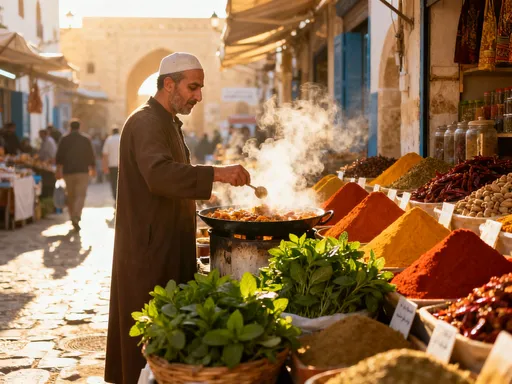
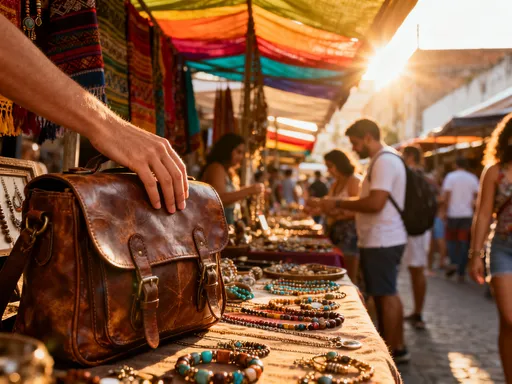
Start in the morning. Bakeries tucked into narrow lanes pull out trays of fresh khobz tounsi, round sesame-dusted loaves that crackle when broken. Buy one warm, and pair it with olive oil and za’atar. Nearby, a spice merchant might offer a taste of ground cinnamon or a pinch of rose petals. These aren’t sales tactics—they’re invitations to engage, to learn, to savor.
By midday, family-run gastros open their doors. These aren’t fancy restaurants—they’re simple rooms with plastic tables, where generations cook the same recipes. One, hidden behind a blue door on Rue el Jeld, serves a slow-cooked lamb tagine with prunes and almonds. Another, near the Great Mosque, specializes in ojja—a spicy tomato and egg stew with merguez sausage. Order with a nod, sit where there’s space, and let the meal unfold at its own pace.
In the evening, the medina softens. Tea takes center stage. In small cafés, men and women sip mint tea from delicate glasses, served with cubes of sugar on the side. The tea is poured from a height, creating a froth that signifies respect. Pair it with sweets—honey-drenched baklava, almond-filled makroudh, or soft msemen brushed with date syrup. These desserts aren’t overly sweet; they’re rich with tradition, often made in home kitchens and brought in for sale.
There are unspoken rules, too. Sit when invited, even if you don’t stay long. Lingering is welcome, rushing is not. If offered food, it’s polite to accept at least a taste. If you decline, do so gently, with a hand over your heart and a smile. These gestures matter. They show you’re not just passing through—you’re paying attention.
Seaside Dining: From Fish Markets to Sunset Meals
Sousse’s coastline isn’t just for sunbathing—it’s a dining destination. The fishing port comes alive before sunrise, when boats return with nets full of sardines, octopus, and red mullet. Locals gather to watch the auction, pointing at their favorites, haggling with fishermen. You can join in—choose your fish, have it cleaned on the spot, and take it to one of the small grills along the waterfront.
These seaside stands don’t have menus. You point, you pay, you wait. The fish is grilled over charcoal, brushed with olive oil and lemon, and served on paper with a side of salad. There are no fancy platings, no wine lists—just fresh seafood, sea breeze, and the sound of waves. One favorite spot, near the lighthouse, has plastic chairs and a view of the Mediterranean. The owner, a retired fisherman named Salah, grills your catch while telling stories in broken French. His sardines, simply prepared, are some of the best you’ll ever eat.
Be cautious of tourist traps. Some restaurants along the main corniche have inflated prices, reheated food, and pushy staff. Look for places where locals eat—where the tables are close together, the napkins are paper, and the music is soft. These spots might not have websites or Instagram pages, but they have authenticity.
Sunset is a perfect time to dine by the water. Order grilled octopus with cumin, or a whole sea bass stuffed with herbs. Pair it with a cold bottle of local beer or a glass of mint tea. Watch the sky turn pink, the boats rock gently in the harbor, and feel the day settle into memory. This isn’t just dinner—it’s a moment of peace, connection, and simple pleasure.
Home Cooking & Cultural Connection: When Food Becomes Memory
One of the most profound food experiences in Sousse isn’t found in a market or restaurant—it’s at a family table. I was invited to dinner by a woman I met at a spice stall. Her name was Amira, and she insisted I come to her home for Friday lunch. I hesitated—was it appropriate? Was I intruding? But her smile was genuine, and I said yes.
Her apartment was modest, the kitchen small but spotless. She cooked all morning—lentil soup with cumin, a large tray of couscous with chicken and vegetables, a salad of tomatoes and onions dressed in olive oil. Her children helped set the table, and her husband welcomed me like an old friend. We ate slowly, talking in a mix of French, English, and gestures. They asked about my family, my home, my favorite foods. I asked about their traditions, their recipes, their lives.
That meal wasn’t just food—it was hospitality at its purest. There were no expectations, no performance. Just warmth, generosity, and the quiet joy of sharing. I learned that Tunisians don’t cook to impress—they cook to nourish, to connect, to honor their guests. When you’re invited into a home, you’re not a tourist. You’re family, even if just for a few hours.
Such moments don’t happen every trip, but they’re worth being open to. If invited, accept with gratitude. Bring a small gift—a box of sweets, a bottle of wine (if appropriate), or flowers. Show respect by removing your shoes if asked, by trying everything offered, by complimenting the cook. Ask questions about the dishes, but don’t demand recipes. This isn’t a cooking class—it’s a human exchange.
That evening, I walked back to my guesthouse full in body and spirit. I didn’t just remember the taste of the lentil soup—I remembered the way Amira laughed, the way her daughter sang while clearing the table, the way the sunlight fell across the kitchen floor. These are the memories that last. Food, in its truest form, isn’t fuel. It’s love made edible.
Smart Eating Tips: Staying Happy, Healthy, and Curious
Exploring Sousse’s food scene is joyful, but a few practical tips ensure it stays that way. First, drink bottled water. Tap water is not recommended for travelers, even when brushed. Carry a reusable bottle and refill it daily. Second, eat food that’s cooked to order. Avoid buffets or dishes left out in the sun. Freshly grilled meat, steaming couscous, and hot tea are your safest bets.
Carry tissues or wet wipes—many street stalls and small cafés don’t provide napkins. Small bills are essential; most vendors can’t break large notes. Don’t assume dairy is safe unless it’s sealed or clearly fresh. Street yogurt or milk-based desserts can be risky if not stored properly. When in doubt, skip it.
Spice levels are often adjustable. If you’re sensitive, ask for harissa on the side. Most locals will accommodate without judgment. Don’t feel pressured to eat everything offered—polite refusal is accepted, especially with a smile. But do stay curious. Try one bite of something unfamiliar. You might discover a new favorite.
And remember: it’s okay to miss home flavors. Craving a plain toast or a simple salad doesn’t make you less adventurous. Balance is key. Eat boldly, but listen to your body. Rest when needed. Hydrate. Laugh when you mispronounce a dish name. These moments are part of the journey.
Traveling through food isn’t about checking boxes. It’s about opening yourself—to flavor, to people, to the unexpected. In Sousse, every meal is an invitation. Say yes. Taste deeply. Stay safe. And let the food lead you home.
Sousse feeds more than your stomach—it feeds your curiosity, your connection, your sense of place. Eating here isn’t just fuel; it’s conversation, culture, courage. When you leave, you won’t just remember the taste of harissa or mint tea—you’ll remember how it felt to belong, even briefly, at someone’s table. So go, explore, and let Sousse surprise you, one bite at a time.