You Won’t Believe What I Found in Porto Alegre’s Hidden Markets
Porto Alegre isn’t just Brazil’s southern gem—it’s a shopper’s secret paradise waiting to be explored. I went in looking for souvenirs and left with stories, flavors, and treasures I never expected. From buzzing street markets to tucked-away boutiques, the city’s shopping scene is alive with culture and surprise. This is not your average mall run—it’s a full sensory journey. Let me take you through the spots that made my trip unforgettable.
First Impressions: Why Porto Alegre Surprised Me
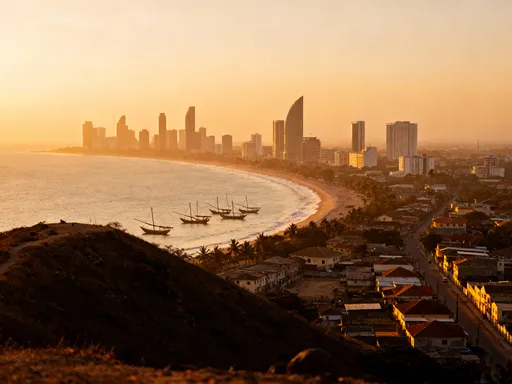
Arriving in Porto Alegre with only a vague idea of what to expect, I was struck immediately by the city’s understated charm. Unlike the more internationally known destinations in Brazil, such as Rio de Janeiro or Salvador, Porto Alegre doesn’t rely on postcard-perfect beaches or colonial facades to draw visitors. Instead, its appeal lies in authenticity. The people move with purpose, the architecture blends old and new with quiet confidence, and the rhythm of daily life feels grounded and real. I quickly realized that shopping here wasn’t about ticking off tourist lists—it was about immersion, discovery, and connection.
What surprised me most was how deeply culture shapes commerce. The Gaúcho identity—rooted in the traditions of southern Brazil’s cowboys and rural communities—infuses every market, boutique, and street vendor’s table. Pride in regional heritage is evident in the craftsmanship, the language, and even the way people greet one another. This isn’t a city that performs culture for tourists; it lives it. As a result, shopping becomes less of a transaction and more of a dialogue. Whether it’s a woman selling hand-knitted wool scarves or a man arranging jars of smoked paprika from nearby farms, each interaction carries a story.
The city’s cultural confidence also translates into retail innovation. While many places struggle to balance modernization with tradition, Porto Alegre embraces both. You’ll find sleek design studios nestled beside century-old market halls, and young entrepreneurs reviving vintage clothing while honoring decades-old textile techniques. This harmony between past and present creates a shopping experience that feels both fresh and timeless. For travelers seeking depth over spectacle, this city delivers in unexpected ways.
Mercado Público Central: More Than Just Food
At the heart of Porto Alegre’s shopping identity stands the Mercado Público Central, a bustling marketplace that has served the city since 1869. Housed in a striking iron structure originally imported from England, the market is more than a place to buy provisions—it’s a living archive of regional life. Locals come here not just to shop, but to connect, to eat, to celebrate. The air hums with the sizzle of churrasco grills, the clink of chimarrão gourds, and the chatter of vendors calling out daily specials. To walk through its aisles is to step into the soul of the city.
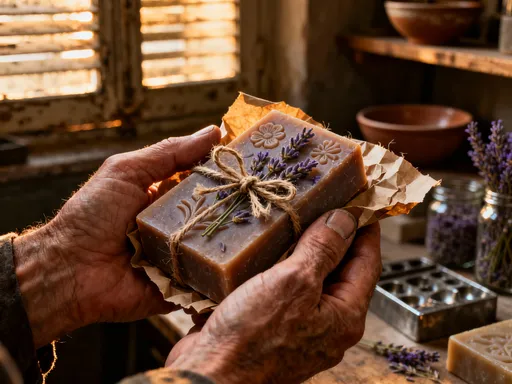
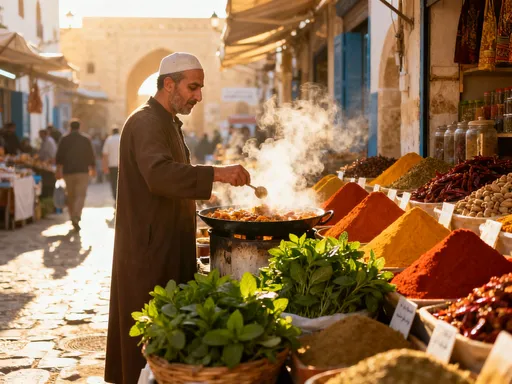
While food dominates the stalls—think fresh fish from the Guaíba River, organic vegetables from nearby farms, and wheels of artisanal cheese—there’s much more to discover. Several vendors specialize in handcrafted goods that reflect Gaúcho traditions. Leatherworkers sell intricately tooled belts and bags, potters display earth-toned ceramics, and spice merchants offer blends unique to the region, such as defumado seasoning made with smoked garlic and paprika. These items are not produced for souvenir shelves; they are tools and ingredients used in everyday life, passed down through generations.
For visitors, navigating the market can be overwhelming at first, but a few simple tips make all the difference. Arriving early, between 8:00 and 10:00 a.m., ensures the best selection and a chance to see locals doing their morning shopping. The upper floor houses several small restaurants where you can try traditional dishes like arroz de carreteiro (a beef and rice stew) or pastéis filled with cheese and guava. Don’t be afraid to ask questions—many vendors speak some English or are happy to gesture their way through a conversation. And while cash is still preferred at smaller stalls, an increasing number accept digital payments via smartphone apps.
Street Markets That Spark Joy: Feira da Praça da Alfândega
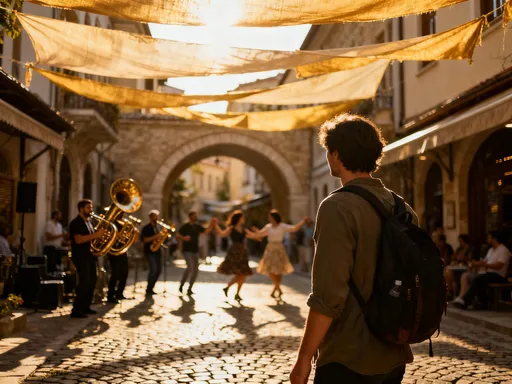
Every Saturday, the Praça da Alfândega transforms into a vibrant open-air gallery of creativity. The Feira da Praça da Alfândega, held along the banks of the Guaíba River, brings together dozens of artisans, designers, and musicians in a celebration of local talent. Unlike commercial markets, this fair feels intimate, almost familial. Children run between stalls, couples sip coffee on benches, and the sound of acoustic guitar drifts through the air. It’s the kind of place where you go to browse but end up staying for hours, enchanted by the atmosphere as much as the goods.
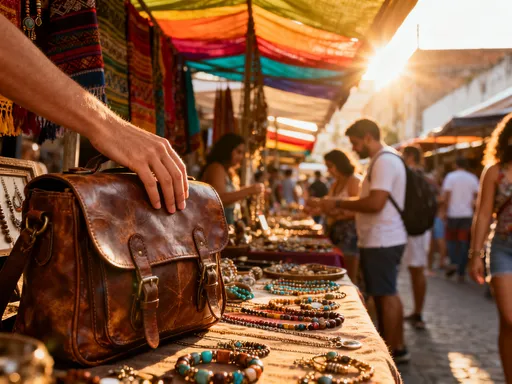
Vendors here offer a carefully curated mix of handmade jewelry, woven textiles, painted ceramics, and original artwork. Many pieces incorporate natural materials—wood, clay, seeds, and fibers—sourced sustainably from the surrounding countryside. One standout was a stall selling alpaca wool scarves dyed with plant-based pigments, each color inspired by the changing hues of the Pampas at different times of day. Another featured hand-stitched leather journals embossed with regional motifs, from cattle brands to river maps. These are not mass-produced trinkets; they are expressions of personal artistry and cultural memory.
The timing of your visit enhances the experience significantly. While the market opens at 9:00 a.m., the golden hour just before sunset casts a warm glow over the river and sets a magical mood. The sky turns amber, the water shimmers, and the stalls take on a soft, inviting light. Musicians often begin playing during this time, and the crowd swells with families finishing weekend outings. It’s the perfect moment to pause, sip a cup of fresh fruit juice, and take in the scene. For those looking to make a purchase, this is also when vendors are most relaxed—ideal for friendly conversations and even gentle bargaining.
Hidden Boutiques in the Historic Center
Just beyond the main avenues of the city center, a network of narrow streets reveals a quieter, more intimate side of Porto Alegre’s shopping culture. Rua da Praia, once the city’s primary commercial artery, now hosts a growing number of independent boutiques, vintage shops, and design studios. These stores are not listed in mainstream travel guides, and they rarely advertise online—but they are exactly where the city’s creative pulse beats strongest.
One such shop, tucked between a century-old pharmacy and a jazz café, specializes in slow fashion. Its owner, a former textile engineer, sources organic cotton and recycled materials to create minimalist clothing with subtle nods to Gaúcho aesthetics—wide sleeves reminiscent of traditional ponchos, buttons carved from native wood, and embroidery inspired by indigenous patterns. Prices are fair, reflecting the time and care invested in each piece, and the owner often shares the story behind the materials used. This transparency builds trust and deepens the value of the purchase.
Another gem is a vintage emporium filled with carefully restored furniture, retro kitchenware, and mid-century Brazilian records. The owner, a historian by training, treats each item as a cultural artifact. A 1950s radio isn’t just a decorative object—it’s a reminder of the golden age of Brazilian radio drama. A set of hand-painted plates tells the story of postwar domestic life. These shops thrive not on volume, but on meaning. They attract locals who value sustainability and authenticity, and increasingly, travelers who seek something more lasting than a generic souvenir.
Modern Malls with a Local Twist: From Iguatemi to Barra Shopping
For those who associate shopping with air-conditioned comfort and familiar brands, Porto Alegre offers several high-end malls that blend international retail with regional character. The Iguatemi Porto Alegre, one of the city’s most prestigious shopping centers, stands out not just for its luxury labels, but for its integration of Brazilian design. The architecture features wide open spaces flooded with natural light, native plants in interior gardens, and rotating art exhibitions by local artists. Even the food court emphasizes regional cuisine, with kiosks serving dishes like charque炸 (dried beef fritters) and quindim, a rich coconut custard.
Barra Shopping, located near the riverfront, takes a similar approach but with a stronger emphasis on accessibility and community. Its open-air layout encourages strolling, and weekend events often include live music, craft demonstrations, and children’s activities. Both malls feature a balanced mix of global and national brands, but it’s the presence of Brazilian designers that makes the experience distinct. Stores like Ellus, Farm Rio, and Animale showcase bold prints, sustainable fabrics, and styles influenced by the country’s diverse landscapes—from the Amazon to the Atlantic coast.
These malls are worth visiting even for travelers who typically avoid commercial spaces. They offer a safe, comfortable environment to rest, recharge, and observe how modern Brazilian consumer culture evolves. Moreover, they serve as cultural crossroads where locals from different neighborhoods gather, making them excellent places to witness the city’s social fabric firsthand. For visitors, they provide a contrast to the more rustic markets—another layer in the shopping mosaic that defines Porto Alegre.
Antiques and Curiosities: Hunting for Gems in Moinhos de Vento
No visit to Porto Alegre is complete without exploring Moinhos de Vento, a leafy neighborhood known for its European-inspired architecture and thriving arts scene. Here, antique stores and flea markets offer a treasure hunt like no other. Unlike the curated displays of upscale boutiques, these spaces invite exploration. Crates overflow with vintage postcards, glass cabinets hold collections of silverware, and dusty bookshelves conceal first editions in Portuguese and German—a nod to the area’s immigrant roots.
One Saturday morning, I wandered into a small shop where the owner greeted me with a cat curled on the counter and a jazz record spinning in the background. The space was packed with mid-century furniture—walnut dressers, leather armchairs, marble-top tables—all restored with care. Nearby, a rack displayed retro clothing: silk blouses from the 1960s, wool coats with brass buttons, and hats with wide brims. A corner was dedicated to vinyl records, including rare Brazilian jazz and MPB (Música Popular Brasileira) albums. The prices were reasonable, and the owner was happy to share the provenance of key pieces.
For bargain hunters, a few strategies improve the experience. First, visit midweek when crowds are thinner and owners are more willing to chat. Second, learn a few basic Portuguese phrases related to condition and price—such as "em bom estado" (in good condition) or "tem desconto?" (is there a discount?). Third, don’t rush. The best finds often appear after a second or third look. And finally, bring a measuring tape if you’re considering furniture—shipping logistics matter. These stores aren’t about fast transactions; they’re about connection, history, and the joy of discovery.
Practical Tips for Smart Shopping in Porto Alegre
To make the most of your shopping experience in Porto Alegre, planning is key. Most street markets operate on weekends, with Saturday being the busiest day. The Feira da Praça da Alfândega runs from 9:00 a.m. to 6:00 p.m., while the Mercado Público Central is open daily but fullest on weekday mornings and Saturday afternoons. Boutiques in the historic center typically open around 10:00 a.m. and close by 7:00 p.m., with a break during lunch hours. Malls follow standard hours, usually from 10:00 a.m. to 10:00 p.m., seven days a week.
When it comes to payment, cash is still king in smaller markets and independent shops, though digital transfers via PIX—a fast, widely used mobile payment system—are becoming common. Credit cards are accepted in malls and larger stores, but it’s wise to carry some reais for smaller purchases. ATMs are readily available, but use those inside banks or shopping centers for safety. Pickpocketing can occur in crowded areas, so keep your bag closed and avoid displaying valuables.
To support local artisans, look for signs that say "feito à mão" (handmade) or "produto regional" (regional product). Avoid stalls selling identical items that appear mass-produced, especially near major tourist attractions. When in doubt, ask about the origin of the goods. Many artisans are proud to explain their process and materials. Finally, consider how you’ll transport your purchases. If buying fragile or bulky items, inquire about shipping options—some stores offer affordable domestic and international delivery. For lighter goods, reusable shopping bags are both practical and eco-friendly.
Conclusion: Shopping as Cultural Discovery
Shopping in Porto Alegre is not merely about acquiring things—it’s about encountering people, traditions, and stories. Every scarf, every jar of spice, every hand-carved spoon carries the imprint of a place and the hands that shaped it. What I found in the city’s hidden markets was not just treasure, but connection. I learned to appreciate the quiet pride of a craftsman, the warmth of a vendor’s smile, and the richness of a culture that values authenticity over spectacle.
Travelers often overlook Porto Alegre in favor of more famous destinations, but those who venture here are rewarded with a different kind of discovery—one that happens not in grand monuments, but in everyday spaces where life unfolds naturally. To shop here is to participate in that life, even if only for a moment. It’s a reminder that the most meaningful souvenirs are not the ones we display on shelves, but the ones we carry in memory.
So the next time you plan a trip to Brazil, consider going beyond the expected. Let Porto Alegre surprise you. Walk its markets, talk to its makers, taste its flavors, and take home not just objects, but experiences. Because in the end, the best journeys are not measured in miles, but in moments of genuine connection. And that, more than any purchase, is what makes a trip unforgettable.