You Won’t Believe What I Ate at Teotihuacan — A Foodie’s Hidden Discovery
I went to Teotihuacan expecting ancient pyramids and history — but left completely obsessed with the food. Just outside the ruins, I stumbled on something incredible: traditional Mexican flavors cooked the way they did centuries ago. Think handmade blue corn tamales, slow-smoked barbacoa, and mole so rich it felt like time travel. This isn’t just dining — it’s a sensory journey into Mexico’s soul. If you're visiting for the archaeology but skipping the local eats, you're missing half the story. Let me take you where the real magic happens.
First Encounter: The Pyramid Tour That Led to a Culinary Detour
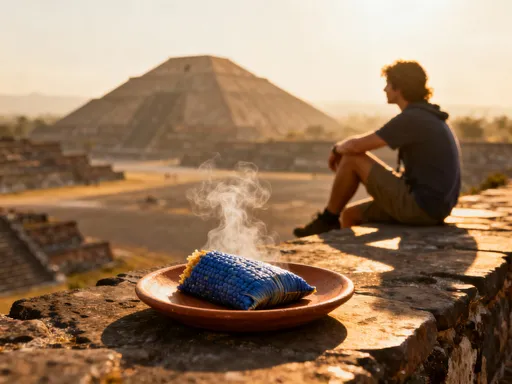
Arriving at Teotihuacan early in the morning, the air still cool from the night, I was eager to walk among the towering pyramids that have drawn visitors for generations. The Pyramid of the Sun loomed ahead, its stepped silhouette cutting sharply against the pale sky. Like most travelers, I came for the grandeur of ancient architecture, for the sense of standing where thousands once worshipped and lived. The site’s historical significance is undeniable — one of the largest pre-Columbian cities in the Americas, built over 2,000 years ago by a civilization whose name has been lost to time.
After climbing the steep stone steps of the Pyramid of the Sun, my legs ached and my forehead glistened with sweat. The mid-morning sun had grown intense, and the long walk back toward the entrance felt endless. I wasn’t looking for anything extraordinary — just water, maybe a snack to revive my energy. That’s when I noticed a cluster of small food stalls tucked beneath a row of shaded trees just beyond the main archaeological zone. The scent hit me before I saw the vendors: wood smoke, toasted corn, and something deep and spicy that made my stomach growl despite my fatigue.
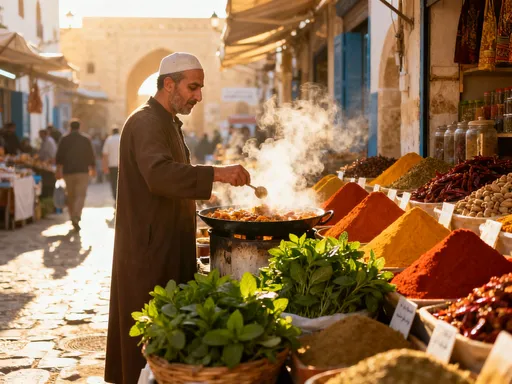
I expected the usual tourist fare — pre-packaged chips, bottled drinks, perhaps a lukewarm taco from a disposable tray. Instead, I found vibrant, steaming dishes laid out on hand-carved wooden platters. A woman in a bright embroidered blouse stirred a large clay pot, releasing a cloud of fragrant steam. Nearby, another vendor folded fresh masa by hand into perfect triangles, ready to be steamed. There were no signs in English, no plastic-wrapped menus. This wasn’t designed for tourists. It was real, unfiltered, and deeply inviting.
What struck me most was the absence of commercialization. These weren’t franchises or imported concepts. Each stall was family-run, operating out of simple carts or open-air kitchens. The food was served with pride, not performance. As I sat on a low wooden bench, biting into a warm tamale wrapped in corn husk, I realized I had stumbled upon something far more profound than a meal. It was a living thread connecting the past to the present — one that began not in a museum, but on a plate.
The Heart of the Experience: Ancient Ingredients, Modern Flavor
The magic of the food near Teotihuacan lies not just in how it’s prepared, but in what goes into it. The region’s volcanic soil, enriched by centuries of natural deposits, produces ingredients with a depth of flavor that modern agriculture often fails to replicate. Corn, the cornerstone of Mesoamerican cuisine, is grown locally in small plots using traditional methods. But this isn’t just any corn — it’s blue corn, a variety cultivated since pre-Hispanic times, known for its nutty taste and dense texture. When ground into masa and used in tamales or tlacoyos, it delivers a richness that yellow or white corn simply can’t match.
Another staple found in many dishes is amaranth, a grain once considered sacred by the Aztecs and other indigenous groups. High in protein and nutrients, amaranth was historically used in religious ceremonies, often mixed with honey or ground seeds to form small figurines. Today, it appears in modern forms — pressed into energy bars, blended into atole (a warm, thick drink), or sprinkled over fresh fruit. Its slightly nutty, earthy flavor adds complexity to both sweet and savory dishes, linking today’s meals to ancient rituals.
Then there’s pulque, a fermented beverage made from the sap of the maguey plant. Unlike its more famous cousin, tequila, pulque is not distilled. It has a milky appearance and a tangy, slightly sour taste that takes some getting used to — but once you do, it becomes unforgettable. Vendors serve it in large clay bowls, often flavored with natural fruit purees like guava or prickly pear. Drinking pulque feels like participating in a centuries-old tradition, one that predates Spanish colonization and survives today through quiet persistence.
The chilies used in salsas and moles are also grown in the surrounding highlands, where the altitude and mineral-rich soil enhance their complexity. Varieties like pasilla, ancho, and chilhuacle bring smoky, fruity, and floral notes to sauces that are layered rather than simply hot. When combined with toasted seeds, spices, and chocolate, these chilies form moles that are not just condiments but culinary events — slow-cooked for hours, passed down through generations, and served with reverence. Eating them is not just about taste; it’s about experiencing the land itself, transformed through fire and time.
Meet the Makers: Family-Run Stalls and Communal Kitchens
Behind every dish at Teotihuacan’s edge are people whose lives revolve around food as both craft and legacy. These are not celebrity chefs with Michelin stars, but grandmothers, mothers, and aunts who wake before dawn to prepare meals using techniques unchanged for generations. One woman, her hands moving with practiced ease, showed me how she presses masa between two pieces of banana leaf before steaming it in an underground oven. She learned the method from her mother, who learned it from hers — a lineage stretching back beyond memory.
Many of the cooks come from families that have lived in the region for centuries. Their recipes are not written down; they are memorized, repeated, perfected through repetition. A vendor preparing tlacoyos — thick, oval-shaped masa cakes — explained that the key is in the kneading. “You have to feel the dough,” she said in Spanish, smiling as she worked. “If it speaks to you, you know it’s ready.” She laughed, but there was truth in her words. There’s an intuition to this cooking, a connection between hand, heart, and ingredient that no recipe book can capture.
These kitchens are communal spaces, often set up in the open air with large clay comals over wood fires. Children help roll tortillas, elders stir pots, and neighbors stop by to share a bite. The atmosphere is warm, inclusive, unhurried. When I asked one cook about the origins of a particular mole, she paused, thoughtful. “I don’t know when we started making it,” she admitted. “But I know my grandmother made it for her wedding, and her mother before her. That’s how we know it’s right.”
What’s remarkable is the quiet pride they take in their work. There’s no need for recognition beyond their community. Yet, as tourism grows, so does the opportunity to share their culture. Some have begun offering informal cooking demonstrations, not for profit, but to ensure that their traditions are not forgotten. To eat at their stalls is to be welcomed into a world where food is not a commodity, but a conversation — one that spans generations and invites everyone to listen.
Beyond Tacos: Unique Dishes You Can’t Find Elsewhere
While tacos are beloved across Mexico, the food near Teotihuacan offers specialties that are rarely found even in nearby cities. One such dish is zacahuil, a massive tamale traditionally made for celebrations. Wrapped in banana leaves and slow-steamed for up to 12 hours, it can measure over three feet long and feed dozens. Inside, the masa is enriched with pork, pine nuts, and a deeply spiced red chili sauce. The texture is moist, almost cake-like, and the flavor is a harmonious blend of savory, smoky, and slightly sweet. It’s not something you eat every day — but when you do, it becomes a memory.
Another standout is the tlacoyo, a thick, boat-shaped masa cake typically stuffed with fava beans or mashed potatoes and topped with fresh cheese, salsa, and nopales (cactus paddles). Unlike the thinner, more common gorditas, tlacoyos have a denser bite and a more pronounced corn flavor. When cooked on a hot comal, the exterior develops a slight crispness while the inside remains soft — a perfect contrast of textures. Topped with a spoonful of bright green salsa made from tomatillos and serrano peppers, it’s a dish that bursts with freshness and heat.
Perhaps the most unique offering is the quesadilla de huitlacoche — a revelation for anyone unfamiliar with this prized ingredient. Huitlacoche, also known as corn smut, is a fungus that grows naturally on corn kernels. Far from being discarded, it’s celebrated for its earthy, umami-rich flavor, often described as a natural Mexican truffle. When sautéed with onions, garlic, and epazote (a pungent herb), then folded into a handmade tortilla and grilled, it creates a filling so rich and complex that it transforms the humble quesadilla into something extraordinary.
To drink, many locals recommend atole, a warm, corn-based beverage thickened with masa and flavored with cinnamon, vanilla, or chocolate. It’s comforting, almost porridge-like, and pairs perfectly with breakfast or a midday snack. Equally refreshing is agua de chía, a drink made by soaking chia seeds in water with lime and a touch of sugar. As the seeds absorb liquid, they create a gelatinous texture that’s both cooling and hydrating — ideal after a long walk through the ruins. These beverages aren’t just thirst-quenchers; they’re part of a culinary ecosystem that honors balance, seasonality, and tradition.
Timing Is Everything: When and Where to Eat Like a Local
To truly experience the food around Teotihuacan, timing matters. The best meals are prepared fresh and in small batches, meaning they’re often gone by mid-afternoon. Arriving early — between 8:00 and 10:30 a.m. — increases your chances of tasting dishes at their peak. This is when vendors finish their morning preparations, and the air fills with the scent of freshly ground corn and simmering sauces. It’s also the coolest part of the day, making the walk from the pyramids more pleasant.
Some specialties, like zacahuil, are only made on weekends or during local festivals. If you’re planning a visit, checking the regional calendar can help you align your trip with these events. Similarly, certain moles and salsas are prepared in larger quantities on Thursdays and Fridays, anticipating weekend demand. While you can find basic snacks any day, the most authentic experiences often require a bit of planning.
Location is equally important. The most genuine food stands are not right at the main entrance, where commercial vendors operate, but along the back roads and side paths leading away from the ticket booths. Follow the locals — if you see a group of residents gathered around a cart, that’s usually a good sign. These spots may lack signage or seating, but they offer the most honest representation of regional cuisine.
When visiting, come prepared. Bring cash in small denominations — most vendors don’t accept cards. Carry a reusable water bottle, as hydration is essential in the high-altitude climate. And resist the temptation to rely on packaged snacks or international chains just outside the site. While convenient, they dilute the experience. Instead, embrace the rhythm of local life: eat when the food is ready, savor each bite, and let your meal be part of the journey, not just a break from it.
Balancing Tourism and Tradition: Eating Respectfully
As Teotihuacan’s popularity grows, so does the pressure on its surrounding communities. More visitors mean more demand, which can lead to the commercialization of traditional foods. Some vendors have begun altering recipes to suit foreign palates — reducing spice, using processed ingredients, or serving food in disposable containers. While these changes may increase convenience, they risk erasing the very authenticity that makes the cuisine special.
Travelers can help preserve this culinary heritage by making mindful choices. First, prioritize family-run stalls over large, branded kiosks. These small operations are more likely to use traditional methods and support local agriculture. When in doubt, ask where the ingredients come from. Many cooks are happy to explain their process, especially when they sense genuine interest.
Photography is another area where respect matters. While it’s tempting to document every dish, always ask permission before taking pictures of people or their kitchens. A simple '¿Puedo tomar una foto?' goes a long way in building trust. Better yet, put the phone down and engage in conversation. Even a few basic Spanish phrases — 'Buenos días,' 'Gracias,' 'Delicioso' — can create warmth and connection.
Remember, every purchase supports a livelihood. When you buy a tamale from a grandmother who woke at 4 a.m. to prepare it, you’re not just feeding yourself — you’re sustaining a tradition. You’re helping ensure that these recipes, passed down orally for generations, continue to be made with care and pride. In this way, eating becomes an act of cultural preservation, a quiet but powerful form of respect.
Why This Changes Everything: Food as Cultural Discovery
Most visitors come to Teotihuacan to see the past. They climb the pyramids, read the plaques, and imagine life in an ancient city. But the truth is, history isn’t just in the stones — it’s in the soil, the crops, and the meals prepared every day. The agricultural foundations of Teotihuacan were as vital as its temples. The city’s planners designed canals, terraces, and storage systems to support a population of over 100,000. Corn, beans, and squash — the Three Sisters of Mesoamerican farming — were not just food; they were the basis of survival, religion, and identity.
Today’s cuisine is a direct descendant of that system. When you eat blue corn tamales near the ruins, you’re consuming a version of what people ate in the very same place two thousand years ago. The tools have changed, but the ingredients, techniques, and spirit remain. This continuity is not accidental — it’s a testament to resilience, adaptation, and cultural pride.
Flavor, in many ways, teaches history more vividly than any guidebook. A bite of huitlacoche carries the story of a people who saw value in what others might discard. A sip of pulque connects you to rituals long before European contact. Even the act of eating from a clay bowl, warmed by fire, echoes ancient practices that honored both nourishment and community.
Travelers often plan their itineraries around monuments and museums. But if we truly want to understand a culture, we must also plan around meals. What we eat, where we eat it, and with whom — these choices shape our experience as much as any landmark. At Teotihuacan, the pyramids tell one story. The food tells another — deeper, older, and still being written.
Teotihuacan’s pyramids rise in silence, but its flavors speak volumes. The true discovery isn’t just in walking ancient paths — it’s in tasting the continuity of a culture that never stopped cooking. When you eat here, you’re not a tourist. You’re a guest at a table that’s been set for centuries. So come for the ruins, stay for the meal — and let your mouth tell the story.