You Won’t Believe These Hidden Natural Wonders Near Dresden
When I first visited Dresden, I expected baroque architecture and art museums—but not the wild beauty just beyond the city. Rolling hills, quiet forests, and riverside trails waited around every corner. I was blown away by how much untouched nature exists here. If you're looking for peace, fresh air, and real escape, Dresden’s natural wonders are a must-see. Let me show you the spots most tourists miss. What makes this city truly special isn’t only its reconstructed grandeur after history’s trials, but the seamless harmony between urban elegance and untamed landscapes. Within minutes of leaving the city center, you can find yourself walking beneath ancient trees, listening to the Elbe’s gentle current, or standing atop sandstone cliffs that seem lifted from a fairy tale. This blend of culture and nature offers a richer, more balanced travel experience—one that nourishes both the mind and the spirit.
Beyond the Baroque: Why Nature in Dresden Surprises Everyone
Dresden is often celebrated for its cultural heritage—the Zwinger Palace, the Frauenkirche, the Semperoper—symbols of resilience and artistic brilliance. Travel brochures highlight gilded halls and historic facades, and rightly so. Yet, what many visitors don’t anticipate is the abundance of natural beauty that lies just beyond these landmarks. Just a short distance from the city’s elegant boulevards, the landscape unfolds into forests, riverbanks, and vine-covered slopes. This juxtaposition is not accidental; it’s part of Dresden’s identity. The city has long embraced its relationship with nature, preserving green corridors and promoting sustainable access to the outdoors.
Combining a city break with outdoor exploration enhances the quality of travel. After hours of museum visits and architectural admiration, a walk through a quiet forest or along a sunlit riverbank provides mental reset and physical rejuvenation. Studies have shown that exposure to green spaces reduces stress, improves mood, and increases creativity. For travelers, especially those journeying with family or seeking a slower pace, integrating nature into an urban itinerary makes the experience more fulfilling. It allows for balance—between stimulation and stillness, between history and the present moment.
One of the most remarkable aspects of Dresden’s natural offerings is their accessibility. Many of the best spots are reachable within 30 minutes by public transport or a brief drive. The S-Bahn and regional trains connect the city center to trailheads, river paths, and park entrances without hassle. Even without a car, visitors can easily plan full-day excursions into the surrounding countryside. This ease of access makes Dresden ideal for travelers who want both culture and nature without the need for long transfers or complicated logistics. Whether you're staying for a weekend or a week, these natural escapes are within reach, waiting to be discovered.
The Elbe River Walk: A Scenic Escape Right from the City
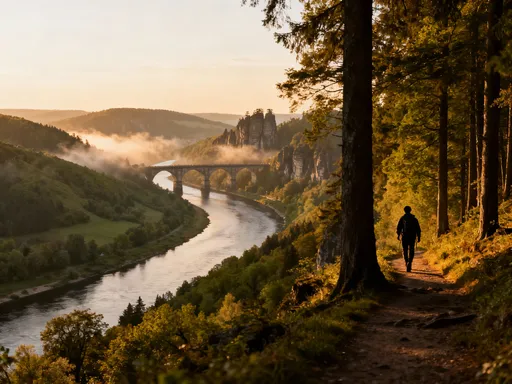
The Elbe River is the lifeblood of Dresden, winding through the city like a silver ribbon. It’s not just a scenic backdrop—it’s a living pathway to tranquility and recreation. One of the most accessible and rewarding ways to experience the region’s natural charm is by walking or cycling along the Elbe River Promenade. This well-maintained path stretches for kilometers, offering uninterrupted views of the river, distant hills, and passing boats. Starting in the vibrant neighborhood of Neustadt, the trail heads southeast toward Pillnitz, passing meadows, willow trees, and hidden benches perfect for quiet reflection.
The stretch between Neustadt and Pillnitz is particularly enchanting. As you leave the city behind, the sounds of traffic fade, replaced by birdsong and the soft lap of water against the shore. Along the way, you’ll pass small marinas, local fishermen casting lines, and families picnicking on the grassy banks. The path is flat and well-paved, making it suitable for all ages and fitness levels. Cyclists share the route respectfully, and signage clearly marks points of interest. For those with children or strollers, this is an ideal outdoor activity that combines ease with beauty.
To make the most of your riverside walk, consider timing your visit for early morning or late afternoon. Mornings bring a crisp freshness and soft golden light, especially in autumn when the trees along the bank turn vibrant shades of red and gold. Evenings offer a different kind of magic—the sun setting over the river, casting long shadows and painting the sky in pastel hues. If you’re hoping to avoid crowds, weekdays are noticeably quieter than weekends. Bring a light jacket, comfortable shoes, and a reusable water bottle. There are occasional kiosks selling coffee and snacks, but packing your own refreshments ensures you can pause wherever the view calls you to stop.
Saxon Switzerland National Park: Drama in the Mountains
About 40 minutes east of Dresden by train lies one of Germany’s most dramatic natural landscapes—Saxon Switzerland National Park. Despite its name, it is not in Switzerland but a unique region of sandstone formations shaped by millions of years of erosion. Towering cliffs, deep ravines, and natural stone bridges create a landscape that feels both ancient and otherworldly. This park is a paradise for hikers, photographers, and anyone drawn to raw, unspoiled beauty. Among its most famous landmarks is the Bastei Bridge, a stunning stone arch perched 194 meters above the Elbe River, offering one of the most breathtaking panoramic views in all of Germany.
Hiking in Saxon Switzerland is an experience like no other. Trails wind through narrow gorges, ascend steep rock steps, and emerge onto open plateaus with sweeping vistas. The Kleiner Zschirnstein trail is a moderate loop that takes about three hours and rewards hikers with solitude and spectacular overlooks. For the more adventurous, the Großer Zschirnstein summit hike offers a challenging climb to the highest peak in the park, where a historic stone tower provides shelter and 360-degree views. Along the way, wooden signs and stone markers guide the way, and rest areas with benches allow for pauses to catch your breath and take in the scenery.
Another unforgettable way to experience the park is by taking a traditional paddle steamer along the Elbe River. These historic boats depart from Bad Schandau and offer a unique perspective of the cliffs from the water. The gentle pace allows you to absorb the scale and beauty of the formations without exertion. For families or those less inclined to hike, this is a relaxing and educational journey. Tickets for the boat rides are available at the pier, and combined hiking-boat packages are often offered for a full-day experience.
To optimize your visit, arrive early in the day to avoid midday crowds, especially during peak season. The park is open year-round, but spring and autumn offer the most pleasant temperatures and fewer tourists. Wear sturdy hiking shoes with good grip, as some paths are uneven or slippery after rain. While there are visitor centers with maps and information, downloading an offline trail map beforehand is wise, especially in areas with limited phone signal. Whether you spend a few hours or a full day, Saxon Switzerland leaves a lasting impression of nature’s grandeur and quiet power.
The Hidden Forests of Weißer Hirsch and Hellerau
Just a short tram ride from central Dresden, the neighborhoods of Weißer Hirsch and Hellerau serve as quiet gateways to some of the city’s most peaceful woodland trails. These areas, once developed as garden cities in the early 20th century, were designed with nature in mind. Tree-lined streets gradually give way to forest paths, creating a seamless transition from urban life to natural retreat. Unlike more tourist-heavy destinations, these forests offer solitude and a sense of discovery, making them perfect for morning walks, contemplative strolls, or gentle exercise away from city noise.
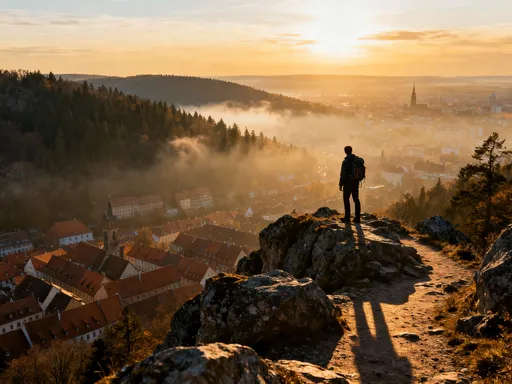
One of the most rewarding routes begins in Weißer Hirsch and leads to the Fuchsturm, or Fox Tower, a historic lookout perched on a wooded hill. The path climbs gradually through beech and pine forests, with dappled sunlight filtering through the canopy. Along the way, you might spot squirrels darting across the trail or hear woodpeckers tapping in the distance. The tower itself, built in the 19th century, offers a panoramic view of Dresden and the surrounding hills. On clear days, you can see the spires of the city skyline rising above the greenery, a striking contrast between human creation and natural landscape.
Hellerau, to the south, offers a different kind of forest experience—calm, orderly, and deeply integrated with the residential area. The paths here are wide and well-maintained, ideal for families with young children or those seeking a leisurely walk. Benches are thoughtfully placed, and interpretive signs provide information about local flora and fauna. The forest here is part of a larger green belt that connects several districts, making it possible to walk for hours without ever feeling far from nature. Both Weißer Hirsch and Hellerau exemplify how urban planning and environmental preservation can coexist, offering residents and visitors alike a daily dose of tranquility.
These areas are especially lovely in the early morning or on weekday afternoons when foot traffic is light. Because they are less advertised than major attractions, they remain relatively untouched by mass tourism. Visitors should respect the quiet atmosphere by keeping noise to a minimum and staying on marked paths. Dogs are welcome but should be kept on leashes to protect wildlife. Whether you’re looking for a place to meditate, read a book under the trees, or simply breathe deeply in clean air, these hidden forests provide a sanctuary within the city’s embrace.
Meadows, Vineyards, and Villages: Exploring the Elbe Valley by Bike
Cycling is one of the most enjoyable ways to explore the Elbe Valley, offering freedom, flexibility, and a closer connection to the landscape. The region’s flat to gently rolling terrain makes it ideal for casual riders, while longer routes provide challenge for more experienced cyclists. A popular day trip begins in Dresden and follows the Elbe River southeast toward Radebeul or Moritzburg, passing vineyards, historic estates, and charming villages along the way. This route not only showcases natural beauty but also offers glimpses into local life and traditions.
The journey to Radebeul, about 15 kilometers from Dresden, takes you through the heart of Saxony’s wine region. Terraced vineyards climb the southern slopes of the Elbe, where white wines like Riesling and Müller-Thurgau have been cultivated for centuries. Small wine taverns, known as Straußwirtschaften, open seasonally, offering tastings and simple meals made with regional ingredients. Stopping at one of these cozy spots for a glass of local wine and a plate of cold cuts or cheese is a quintessential Saxon experience. The air here carries the scent of sun-warmed grapes and earth, and the pace of life feels generations slower than in the city.
For those seeking a longer ride, continuing to Moritzburg adds a fairy-tale element to the journey. The route passes through quiet farmland and forested areas before arriving at Moritzburg Castle, a Baroque hunting lodge surrounded by a mirror-like lake. The castle, once a royal retreat, now houses a museum and is famous for its collection of historic hunting gear and carriages. Swans glide across the water, and walking trails encircle the lake, making it a perfect place to rest after the ride. Bike rentals are available in Dresden, with several shops offering well-maintained bicycles, helmets, and even e-bikes for those who want extra assistance on the return trip.
Safety is important when cycling in the region. Always wear a helmet, use lights if riding in low visibility, and follow traffic rules when sharing roads with vehicles. Many trails are shared with pedestrians, so announce your presence when passing. Pack water, sunscreen, and a small snack, and check the weather before setting out. With proper preparation, a day on two wheels through the Elbe Valley becomes a highlight of any visit to Dresden—a blend of exercise, scenery, and cultural discovery that leaves you feeling refreshed and inspired.
Seasonal Secrets: When to See Dresden’s Nature at Its Best
Dresden’s natural landscapes transform with the seasons, each offering a distinct kind of beauty and atmosphere. Knowing when to visit can greatly enhance your experience. Spring brings a soft renewal—cherry blossoms line the riverbanks, wildflowers dot the meadows, and the forests hum with new life. April and May are ideal for walking and cycling, with mild temperatures and longer daylight hours. This is also the time when birds return, and the sound of songbirds fills the air, especially in the early morning.
Summer offers warmth and extended days, perfect for swimming in the Elbe or picnicking in the shade. While July and August can be busy, early mornings and weekdays remain peaceful. Some locals enjoy swimming at designated spots along the river, where sandy banks and calm waters create natural swimming areas. However, water temperatures vary, and safety should always be a priority—supervise children closely and avoid jumping from rocks or bridges.
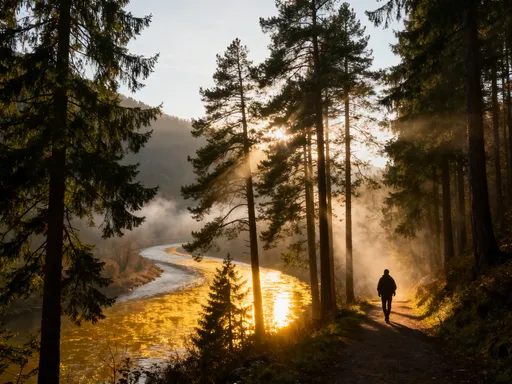
Autumn is arguably the most magical season in Dresden’s natural areas. The forests turn into a tapestry of red, orange, and gold, particularly in Saxon Switzerland and the hills around Weißer Hirsch. The air becomes crisp, and fog often drifts along the river in the mornings, creating a dreamlike atmosphere. This is an excellent time for photography, with soft light and dramatic contrasts. Layered clothing is recommended, as temperatures can shift quickly from cool mornings to warm afternoons.
Winter brings a different kind of stillness. Snow-covered trails and frosted trees create a serene, almost silent world. While some paths may be icy, they are often cleared or suitable for winter walking with proper footwear. The holiday season adds charm, with small markets in nearby villages offering mulled wine and handmade crafts. Winter is also the least crowded time, making it ideal for those seeking solitude and reflection. Regardless of the season, each visit reveals a new layer of Dresden’s natural soul, reminding us that beauty is not static but ever-changing.
Travel Smart: How to Respect Nature While Enjoying It Fully
As more travelers discover Dresden’s natural wonders, it becomes increasingly important to practice responsible and sustainable tourism. These landscapes are not just scenic backdrops—they are living ecosystems that support diverse plant and animal life. Staying on marked trails prevents soil erosion and protects delicate vegetation. Trampling off-path can damage root systems and disturb nesting animals, especially during breeding seasons. By sticking to designated routes, visitors help preserve the very beauty they come to enjoy.
Packing out all trash is a simple but essential practice. Even biodegradable items like fruit peels can disrupt local wildlife diets and attract pests. Carrying a small bag for waste ensures you can dispose of it properly at designated bins in towns or train stations. Feeding animals, though tempting, is discouraged, as it alters natural behaviors and can lead to dependency on human food. Dogs are welcome in most outdoor areas but must be kept on leashes to protect birds, small mammals, and other visitors’ comfort.
Local regulations, such as fire restrictions and quiet hours, are in place for safety and conservation. Open fires are generally prohibited in forests and parks to prevent wildfires, especially during dry periods. Campfires, grills, and even candles should only be used in designated areas if allowed. Respecting these rules protects both the environment and other visitors’ experiences. Additionally, noise levels should be kept low, particularly in early mornings and evenings, to maintain the peaceful atmosphere these places offer.
Mindful travel goes beyond rules—it’s about presence. Slowing down, listening to the wind, observing the play of light on leaves, and simply being in nature can be more rewarding than ticking off destinations. This kind of awareness fosters a deeper connection to the landscape and encourages long-term stewardship. When we treat nature with care, we ensure that future generations can also find peace, inspiration, and wonder in Dresden’s hidden corners.
Conclusion
Dresden’s true magic isn’t just in its rebuilt skyline—it’s in the quiet forest clearings, the riverside sunsets, and the mountain breezes of Saxon Switzerland. These natural wonders offer balance, beauty, and breath after city exploration. With the right tips, anyone can discover them. So step off the beaten path, let nature recharge you, and see Dresden in a whole new light. Whether you’re walking the Elbe promenade at dawn, cycling through vineyards in summer, or standing in awe on a sandstone cliff at golden hour, you’re experiencing a side of Dresden that few expect but many remember forever. In a world that often feels rushed and crowded, these quiet escapes remind us of the healing power of nature and the joy of simple, authentic moments. Let your next visit be not just a tour of monuments, but a journey into the heart of the landscape—and yourself.