You Won’t Believe These Viewpoints in Mérida, Venezuela
Nestled in the Andes, Mérida, Venezuela, is a gateway to some of the most breathtaking viewpoints in South America. Think misty mountain ridges, glacial lakes, and panoramic vistas that look like they’re ripped from a fantasy film. I’m talking Instagram-worthy scenes at every turn—places where the air is crisp, the silence is golden, and your camera roll will thank you endlessly. This isn’t just travel—it’s visual magic. From the world’s highest cable car to secluded alpine lakes, Mérida offers an unmatched blend of natural drama and photographic splendor. For travelers seeking beauty, tranquility, and moments that stir the soul, this Andean jewel delivers in every direction you look.
Why Mérida Stands Out for Scenic Beauty
Mérida’s reputation as a destination for extraordinary natural beauty is firmly rooted in its unique geography. Located in the western part of Venezuela, the city lies within the Andes mountain range—the northernmost extension of the great South American cordillera. This positioning places Mérida at high elevations, with surrounding peaks rising well above 4,000 meters. The region’s dramatic topography creates a layered landscape where deep valleys, sharp ridgelines, and cloud-kissed summits unfold in every direction. It’s this vertical diversity that sets Mérida apart, offering travelers a rare opportunity to experience multiple ecosystems within a short distance.
The climate plays a crucial role in shaping Mérida’s scenic allure. At lower elevations, tropical conditions support lush vegetation and vibrant flora. As altitude increases, the environment transitions into cloud forest—dense, misty woodlands where humidity clings to moss-covered trees and orchids bloom in quiet abundance. Higher still, the terrain opens into páramo, a high-altitude ecosystem characterized by hardy grasses, rocky outcrops, and sudden shifts in weather. This climatic gradient not only sustains rich biodiversity but also enhances visual contrast, making each viewpoint feel distinct and immersive.
What truly elevates Mérida’s appeal is the accessibility of its natural wonders. Unlike remote mountain regions that require days of trekking, many of Mérida’s most iconic viewpoints are reachable within a few hours from the city center. Whether by cable car, scenic drive, or short hike, visitors can experience dramatic changes in scenery without extensive physical demands. This ease of access, combined with the region’s raw beauty, makes Mérida an ideal destination for travelers who value both comfort and adventure. The result is a destination where panoramic beauty isn’t reserved for elite mountaineers—it’s available to anyone with a sense of wonder and a willingness to look up.
The Magic of the Mérida Cable Car (Milla de Oro)
One of the most iconic ways to experience Mérida’s elevated landscapes is aboard the Mérida Cable Car, locally known as the Milla de Oro. Recognized as the highest and longest cable car system in the world, it stretches over 12 kilometers from the city up to Pico Espejo, reaching altitudes near 4,765 meters. More than just a mode of transport, the cable car is an attraction in itself—a moving viewpoint that unfolds the Andes in layers. Each of its six stations marks a shift in climate and scenery, offering passengers a real-time journey through ecosystems that span from subtropical to alpine.
The ascent begins in the lush greenery near Mérida, where banana trees and flowering shrubs dot the hillsides. As the car climbs, the vegetation thins, giving way to cloud forest where fog drifts between tree canopies and birdsong echoes in the mist. By the time the cable car reaches the upper stations, the landscape transforms into the open páramo—vast, windswept plains with rocky terrain and dramatic skies. The 360-degree views from the cabin are nothing short of cinematic, with mountain peaks stretching into the distance and valleys disappearing into clouds. On clear days, the sight is so expansive it feels as though you’re floating above the world.
For photographers and nature lovers, timing is key. The best moments to ride the cable car are early in the morning, particularly during sunrise. As the first light hits the snow-dusted peaks, the mountains glow in soft gold and pink hues, creating a magical atmosphere inside and outside the cabin. Midday rides can also be rewarding, especially when clouds roll in and out, revealing sudden glimpses of the terrain below. To maximize your experience, book tickets in advance and aim for weekdays to avoid weekend crowds. Dress warmly—temperatures at the top can drop below freezing—and keep your camera ready at all times. Every window is a frame waiting to be filled.
Pico Espejo: Where the Sky Meets the Andes
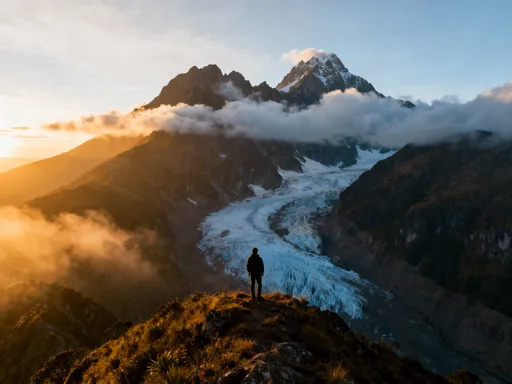
One of the most photographed destinations along the cable car route is Pico Espejo, a high-altitude viewpoint perched at approximately 4,000 meters above sea level. This dramatic vantage point offers sweeping views of the surrounding Andean range, with jagged peaks rising like sentinels on the horizon. The landscape here is rugged and elemental—rocky outcrops, sparse vegetation, and skies that seem close enough to touch. It’s a place where the air is thin, the wind is constant, and the sense of elevation is unmistakable. For many visitors, standing at Pico Espejo feels like being on the roof of Venezuela.
Reaching Pico Espejo is made possible through the final leg of the cable car journey, which deposits passengers at a station just below the summit. From there, a short, well-maintained path leads to the main observation area. While the hike is not strenuous, the altitude demands respect. First-time visitors often feel the effects of reduced oxygen—shortness of breath, light-headedness, or fatigue. To acclimate properly, it’s advisable to spend a day in Mérida (which sits at around 1,500 meters) before ascending. Drinking plenty of water, avoiding alcohol, and moving slowly can also help minimize discomfort. Oxygen is available at the station for those who need it, and staff are trained to assist visitors experiencing altitude-related symptoms.
Despite the physical challenges, Pico Espejo remains a magnet for travel photographers and adventure seekers. The contrast between the dark volcanic rock and the bright blue sky creates striking compositions, while the absence of light pollution makes it an excellent spot for astrophotography. Social media feeds are filled with images from this location—panoramas at golden hour, silhouettes against dramatic clouds, and long-exposure shots of the Milky Way arching overhead. Its consistent presence in visual storytelling is a testament to its photogenic power. For those seeking a moment of awe, Pico Espejo delivers in silence and scale.
Laguna Negra: A Hidden Alpine Gem
For travelers willing to take a slightly more adventurous path, Laguna Negra offers one of Mérida’s most rewarding natural experiences. Nestled near Pico Espejo at an elevation of about 3,600 meters, this glacial lake is surrounded by towering peaks and pristine highland terrain. Its name, which means "Black Lagoon," comes from the deep, dark waters that reflect the sky and mountains with mirror-like clarity. Unlike more accessible viewpoints, Laguna Negra requires a moderate hike—approximately 45 minutes from the nearest trailhead—but the effort is repaid with solitude, serenity, and some of the most breathtaking reflections in the Andes.
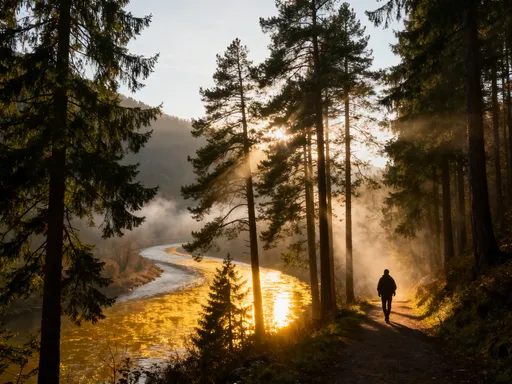
The trail to Laguna Negra begins at a pull-off along the road leading to the cable car’s upper stations. Marked but not overly developed, the path winds through páramo grasslands and volcanic rock formations. Hikers are rewarded with changing perspectives at every turn—first distant glimpses of the lake, then a full reveal as the terrain opens up. The stillness of the water creates perfect symmetry in photographs, especially at dawn when the first light paints the surrounding peaks in warm tones. Fog often drifts across the surface in the early morning, adding an ethereal quality to the scene. Because the area sees fewer visitors than the cable car stations, it’s common to have the entire lakeside to yourself—a rare luxury in popular mountain destinations.
Photographers should plan their visit for early morning to capture the best lighting conditions. A polarizing filter can help reduce glare and enhance the contrast between the water and sky. Wide-angle lenses are ideal for capturing the full scope of the landscape, while telephoto shots can isolate details like distant ridgelines or birds gliding over the lake. Given the fragile ecosystem, visitors are urged to stay on marked paths, avoid littering, and refrain from disturbing the natural environment. Laguna Negra is not just a destination—it’s a reminder of nature’s quiet majesty and the importance of preserving it for future generations.
Viewpoints Along the Road to Mucuchíes
Another scenic highlight of the Mérida region is the drive to Mucuchíes, a picturesque town located about 30 kilometers northeast of the city. This route, winding through the Andes, is dotted with natural overlooks that offer some of the most expansive mountain vistas in the area. Known locally as the Trasandino Highway, the road climbs steadily, revealing panoramic views of valleys, distant peaks, and patchwork farmland below. Along the way, travelers can pull over at designated viewpoints to stretch their legs, breathe the crisp air, and take in the grandeur of the landscape.
One of the most popular stops is La Toma, a natural spring and rest area that doubles as a scenic overlook. Surrounded by greenery and traditional stone structures, it provides a refreshing break and a photogenic foreground for wide shots of the valley. Further along the route, near the Cruz de Mucuchíes—a large stone cross erected on a hilltop—visitors find one of the most iconic viewpoints in the region. From this vantage point, the Andes stretch endlessly, with layers of mountains fading into the horizon. The cross itself, a symbol of local faith and tradition, adds cultural depth to the visual experience, making it more than just a photo opportunity.
The best time to travel this route is during golden hour—shortly after sunrise or before sunset—when the low angle of the sun bathes the mountains in warm, golden light. Shadows lengthen, textures become more defined, and the colors of the landscape deepen, creating ideal conditions for photography. The road is well-paved and suitable for standard vehicles, though drivers should remain cautious on curves and be mindful of occasional fog at higher elevations. Whether taken as a day trip or part of a longer itinerary, the journey to Mucuchíes offers a slower, more contemplative way to experience Mérida’s beauty—one where every bend in the road reveals a new masterpiece.
Jají: A Cultural Stop with a View
While much of Mérida’s appeal lies in its natural landscapes, the region also offers charming cultural destinations that enhance the travel experience. One such place is Jají, a colonial-era village perched on a hillside with sweeping views over the surrounding valley. With its red-tiled roofs, whitewashed buildings, and cobblestone streets, Jají feels like a step back in time. But beyond its architectural charm, the village offers a unique blend of cultural immersion and scenic beauty, making it a perfect stop for travelers seeking a more layered journey.
The town is renowned for its traditional crafts, particularly its handmade pottery and religious figurines. Visitors can browse small workshops and family-run stores, watching artisans at work and purchasing authentic souvenirs. Many of these shops are set up with outdoor seating areas that overlook the valley, allowing guests to enjoy a cup of locally grown Andean coffee while taking in the view. This combination—of craftsmanship, hospitality, and natural beauty—creates a deeply satisfying experience that engages both the eyes and the spirit.
From a photographic standpoint, Jají offers rich opportunities for storytelling. Wide-angle shots capture the terraced layout of the village against the mountain backdrop, while close-ups highlight intricate details in the pottery and architecture. The soft light of late afternoon enhances the warm tones of the buildings, creating a cozy, inviting atmosphere. Because Jají is less frequented by international tourists, it retains an authentic charm that’s increasingly rare in more commercialized destinations. For families and solo travelers alike, a visit here feels personal and meaningful—a quiet moment of connection in a fast-moving world.
Practical Tips for Capturing the Best Shots
To fully appreciate and document Mérida’s stunning viewpoints, a bit of preparation goes a long way. First and foremost, consider your gear. While modern smartphones are capable of excellent photography, a lightweight tripod can make a significant difference—especially for low-light shots at sunrise or long-exposure images of moving clouds. A polarizing filter is another valuable tool, helping to reduce glare on water and enhance sky contrast. For those using DSLR or mirrorless cameras, a versatile zoom lens (such as 24-70mm) covers most scenic needs, while a telephoto lens (70-200mm) allows for detailed shots of distant peaks.
Timing is equally important. The dry season, which runs from December to March, offers the clearest skies and most stable weather conditions—ideal for unobstructed views and consistent lighting. During the rainy season (April to November), sudden downpours and persistent fog can limit visibility, though they also create dramatic cloud movements that some photographers find compelling. If visiting during the wetter months, pack waterproof gear and be prepared for last-minute changes in plans. Early mornings are generally the best time for photography, as temperatures are cooler, winds are calmer, and the air is clearer.
Equally critical is the responsibility to protect the environment. Many of Mérida’s most beautiful locations are part of fragile highland ecosystems that can be easily damaged by foot traffic, litter, or careless behavior. Travelers should follow leave-no-trace principles: pack out all trash, stay on designated trails, avoid picking plants or disturbing wildlife, and respect local regulations. Some areas may have entry fees or require permits—these often support conservation efforts and should be seen as a contribution to preservation. By traveling mindfully, visitors help ensure that Mérida’s viewpoints remain pristine for future generations to enjoy.
Conclusion
Mérida’s viewpoints offer more than just photo ops—they invite a deeper connection with nature’s grandeur. From sky-high cable rides to quiet mountain lakes, each location tells a story of elevation, clarity, and awe. For travelers seeking beauty with authenticity, Venezuela’s Andean heart delivers unforgettable moments—ones that deserve to be seen, shared, and preserved. Whether you’re standing at Pico Espejo with the wind at your back, capturing the stillness of Laguna Negra at dawn, or sipping coffee in the hills of Jají, Mérida offers a rare kind of magic: the kind that lingers in your memory long after you’ve returned home. In a world that often feels rushed and artificial, these highland vistas remind us of the enduring power of the natural world. And sometimes, all it takes is a single view to restore your sense of wonder.