You Gotta See These Porto Districts — Hidden Gems & Local Secrets Revealed
Porto isn’t just a postcard — it’s a city of layered neighborhoods, each with its own rhythm. I wandered from riverside alleys to hilltop squares, discovering where locals drink, eat, and live beyond the tourist trails. If you’re planning a trip, knowing which districts to explore makes all the difference. Let me show you the real Porto — authentic, vibrant, and full of surprises — so you don’t miss what truly matters.
Ribeira: The Heartbeat of Porto (But Know the Truth)
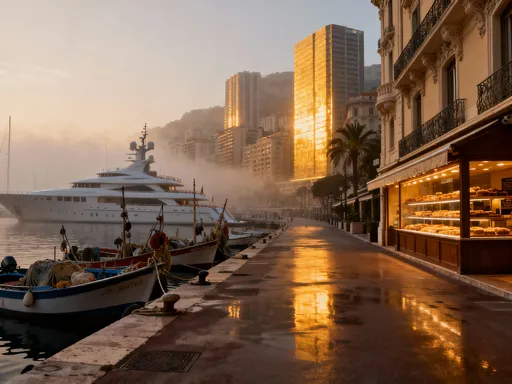
Ribeira, nestled along the Douro River’s edge, is the postcard face of Porto — and for good reason. Its tightly packed, pastel-colored buildings cascade down to the water, their facades adorned with laundry lines, flower boxes, and centuries of history. As a UNESCO World Heritage site, this district pulses with energy, drawing visitors from around the globe who come to stroll the Cais da Ribeira and snap photos of the iconic Dom Luís I Bridge. The area is undeniably beautiful, but it’s also one of the most tourist-heavy zones in the city. Recognizing this duality is key to enjoying Ribeira without falling into the trap of overpriced traps and crowded pathways.
So why is Ribeira still worth visiting? Because beneath the surface of its polished charm lies genuine cultural life. Locals still live in apartments above the shops and cafés, and traditional tascas (small, family-run eateries) serve hearty francesinha sandwiches and fresh seafood to those in the know. The morning light, before 9 a.m., transforms the district into something more intimate — the river is calm, the boats gently bobbing, and the narrow alleys echo with the sounds of shopkeepers opening shutters and brewing coffee. This is the best time to explore, when you can absorb the atmosphere without the crush of tour groups.
To experience Ribeira like a local, avoid the restaurants directly facing the river — many cater to tourists with inflated prices and average food. Instead, step just one block inland, where family-run spots like O Comercial or Adega São Nicolau offer authentic northern Portuguese cuisine at fair prices. Try a plate of tripas à moda do Porto, a traditional stew that speaks to the city’s humble roots, or order grilled sardines with boiled potatoes and a glass of local vinho verde. Pair your meal with a short walk along the riverbank toward the Ponte Infante D. Henrique, where you’ll find quieter benches and sweeping views of Vila Nova de Gaia’s port wine cellars.
Evening brings a different rhythm. The lights reflect off the water, and fado music occasionally drifts from open doorways. While the main square fills with street performers and gelato vendors, the side streets remain peaceful. Consider a pre-dinner drink at a rooftop bar like Deck Porto, where you can sip a porto tónico — a refreshing mix of white port and tonic — while watching the sunset over the river. Ribeira may be touristy, but with mindful timing and a willingness to explore beyond the obvious, it reveals itself as the true heartbeat of Porto.
Miragaia: Where History Whispers in the Alleys
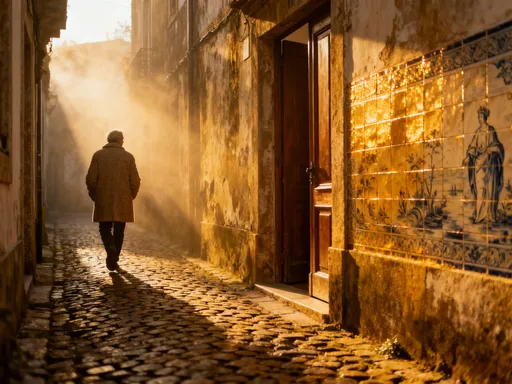
Just a short walk west of Ribeira, Miragaia unfolds like a forgotten chapter of Porto’s story. This historic district clings to the steep banks of the Douro, its narrow, winding streets paved with worn cobblestones that glisten after a light rain. Unlike the polished facades of Ribeira, Miragaia wears its age proudly — peeling paint, rusted iron balconies, and faded azulejo tiles hint at centuries of maritime life. Once a hub for shipbuilders and dockworkers, the neighborhood has retained an authenticity that few others in the city can match. It’s not on every tourist map, and that’s precisely what makes it special.
Walking through Miragaia feels like stepping into a quieter, more personal version of Porto. The air carries the faint scent of salt and baking bread, and the occasional church bell marks the hour from one of the district’s hidden sanctuaries. The Igreja de São Miguel o Anjo, tucked into a narrow alley, is one such gem — its Baroque interior contrasts with the simplicity of the surrounding homes. Nearby, the Miragaia Docks — once used for ship repairs — have been partially restored and now host small cultural events and artisan markets on weekends. These quiet moments of local life unfold without fanfare, offering a glimpse into the city’s enduring spirit.
For visitors, Miragaia is best explored on foot, ideally in the late morning or early afternoon when the light slants between the tall buildings, casting long shadows and highlighting the textures of stone and tile. Wear comfortable shoes, as the inclines are steep, and take your time navigating the labyrinthine paths. One rewarding route is to follow Rua da Miragaia downhill toward the river, where you’ll find a quiet riverside path that leads toward the Arrábida Bridge. Along the way, pause at small viewpoints — known locally as miradouros — where you can rest and take in panoramic views of the Douro’s curve and the forest of red rooftops climbing the opposite hill.
Safety is rarely an issue in Miragaia, but as with any historic neighborhood, it’s wise to stay on main paths and avoid wandering alone at night. The area is residential, and while locals are generally welcoming, they value their privacy. Respect closed gates and quiet courtyards. If you’re visiting during the week, you might catch a glimpse of daily routines — an elderly woman watering geraniums, a fisherman mending nets, or a neighbor chatting over a shared wall. These fleeting interactions, though silent, are part of what makes Miragaia feel so real. It’s not a museum; it’s a living, breathing district where history isn’t displayed — it’s lived.
Gaia: Trendy Vibes Meet Local Life
Directly across the Douro River from Ribeira lies Vila Nova de Gaia, often shortened to Gaia — a destination in its own right. While many visitors cross the Dom Luís I Bridge solely to tour port wine cellars, Gaia offers far more than fermented barrels. The district balances tradition and modernity, where centuries-old wine lodges stand alongside trendy riverside restaurants, design hotels, and boutique wine bars. It’s a place where you can sip a vintage tawny port while watching cargo ships drift down the river, then stroll through a revitalized dock area filled with art installations and local food trucks.
The bridge itself is an experience. Walking across the upper deck of the Dom Luís I Bridge rewards you with one of the most iconic views in Portugal — the colorful sprawl of Ribeira on one side, the slate rooftops of Gaia on the other, and the Douro winding toward the Atlantic. For a less crowded alternative, take the lower level, which runs at river level and offers a more intimate perspective of the boats and waterfront activity. Once in Gaia, begin your exploration at the Cais de Gaia promenade, a lively stretch lined with wine lodges, cafés, and souvenir shops. But don’t let the touristy front fool you — behind these facades, Gaia thrives with local energy.
When it comes to port wine tastings, not all lodges are created equal. Graham’s, Cálem, and Sandeman are among the most well-known and offer polished tours with English-speaking guides, but smaller houses like Niepoort or Croft often provide more personalized experiences. Booking in advance is recommended, especially during peak season, and choosing a lodge with a riverside terrace allows you to pair your tasting with a view. Opt for a guided session that includes both ruby and tawny varieties to understand the aging process and regional differences. And remember — sipping port is about savoring, not rushing. Take time to appreciate the aroma, the color, and the slow warmth as it settles.
After your tasting, step away from the main promenade and explore the side streets of the Santa Marinha neighborhood. Here, you’ll find family-run restaurants where locals gather for lunch. Try a plate of cataplana de marisco, a seafood stew cooked in a copper clam-shaped pot, or order grilled octopus with olive oil and paprika. For a sweet finish, sample pastéis de nata from a small bakery — the custard tarts are just as beloved here as in Lisbon. As the sun begins to set, return to the riverside promenade. The golden light reflects off the water, and the mood turns romantic and relaxed. Whether you’re with family, friends, or traveling solo, Gaia at dusk feels like a celebration of simple pleasures — good wine, good food, and the beauty of a river that has shaped a region’s identity.
Bolhão & Cedofeita: The Everyday Soul of the City
If Ribeira is Porto’s postcard and Gaia its wine cellar, then Bolhão and Cedofeita represent the city’s daily heartbeat. These adjacent districts, located just a short walk uphill from the river, are where locals shop, eat, and socialize in a rhythm untouched by tourist itineraries. At the center of it all stands Mercado do Bolhão, a beautifully restored 19th-century market hall that reopened in 2022 after years of renovation. The iron-and-glass structure, inspired by Parisian market architecture, now buzzes with vendors selling fresh fish, seasonal fruits, artisanal cheeses, and fragrant herbs. It’s not just a place to buy food — it’s a cultural hub, a gathering spot, and a testament to Porto’s commitment to preserving its urban heritage.
Visiting Mercado do Bolhão on a weekday morning is one of the most authentic experiences in the city. The air is thick with the scent of grilled sardines, ripe figs, and strong coffee. Elderly women in floral aprons haggle gently with vendors, while young chefs scout for ingredients for their restaurants. Take your time wandering the stalls — sample a slice of queijo da serra, a creamy sheep’s milk cheese, or pick up a bundle of grelos, the bitter turnip greens used in traditional dishes. Many stalls offer ready-to-eat bites, like pregos (beef sandwiches) or rissois de camarão (shrimp croquettes), perfect for a mid-morning snack.
Beyond the market, the surrounding streets of Cedofeita come alive with independent energy. Once a working-class neighborhood, Cedofeita has evolved into a hotspot for boutique shopping, specialty cafés, and urban art. Rua de Cedofeita, the main thoroughfare, is lined with vintage clothing stores, ceramic studios, and bookshops with curated selections. Stop by a specialty coffee shop like Dear Breakfast or Lab1214 for a perfectly pulled espresso and a slice of homemade cake. The pace here is slow, inviting you to linger and observe — a couple sharing a pastry, a dog napping in the sun, a street musician playing soft melodies on an acoustic guitar.
What makes this area so special is its balance of tradition and renewal. Grandmothers still hang laundry from wrought-iron balconies, while young entrepreneurs open concept stores and plant-filled cafés. Street art adds color to otherwise plain walls — murals of local legends, abstract patterns, and poetic phrases in Portuguese. Exploring the side streets reveals hidden courtyards and tiny chapels, like the Capela de Nossa Senhora da Conceição, where silence reigns despite the urban bustle just steps away. For visitors, Bolhão and Cedofeita offer a rare chance to experience Porto not as a destination, but as a lived-in city — one where daily life unfolds with grace, warmth, and a deep sense of community.
Foz do Douro: Porto’s Seaside Escape
Where the Douro River meets the Atlantic Ocean lies Foz do Douro, a refined coastal neighborhood that offers a refreshing contrast to the historic core of Porto. Elegant 19th-century villas, tree-lined avenues, and wide promenades give Foz a relaxed, slightly upscale atmosphere. It’s a favorite among locals for weekend strolls, morning jogs, and sunset gatherings, and for good reason — the sea air is invigorating, the views are breathtaking, and the pace is unhurried. A half-day trip to Foz is the perfect complement to a city-centered itinerary, offering both natural beauty and refined leisure.
One of the most enjoyable ways to reach Foz is by taking the historic Line 1 tram from the city center. The yellow tram clatters along the riverbank, passing through neighborhoods like Massarelos and Carmo before emerging at the coast. The final stretch, as the Douro widens and the ocean comes into view, is especially scenic. Once in Foz, begin your visit at the Praia do Cabedelo, a pebble beach where waves crash with steady rhythm. While swimming is possible in summer, most visitors come to walk, relax, or simply watch the surf. The adjacent promenade, known as Avenida dos Banhos, stretches along the coastline and is perfect for a long, contemplative stroll.
Foz is also known for its excellent dining. Seafood restaurants like O Gaveto and Marisqueira de Foz specialize in fresh catches — think octopus salad, grilled sea bass, and arroz de marisco (seafood rice). Many have outdoor terraces where you can dine with a view of the water. For a lighter option, grab a coffee and a pastry at one of the seaside cafés and watch the world go by. Families play on the grassy areas, dogs chase balls, and couples share ice cream cones as the sun dips toward the horizon.
Sunset in Foz is not to be missed. As the sky turns shades of pink and gold, locals gather at the iconic Forte de São João, a 17th-century fortress at the river’s mouth. The surrounding area becomes a social hub, with people chatting, taking photos, and enjoying the cool breeze. While weekends can be busy, visiting on a weekday ensures a more peaceful experience. Foz is also home to several boutique hotels and wellness centers, making it a popular choice for those seeking a quieter base. Whether you come for the sea, the food, or the serenity, Foz offers a gentle reminder that Porto’s magic extends far beyond its historic center.
Massarelos & Carmo: Culture, Views, and Quiet Corners
Nestled between the bustling riverside and the elegant Foz, the districts of Massarelos and Carmo are often overlooked by travelers — which makes them all the more rewarding to discover. These neighborhoods offer a harmonious blend of culture, nature, and tranquility, serving as peaceful interludes between Porto’s more famous attractions. Massarelos is best known as the home of the Serralves Foundation, a cultural complex that includes the Serralves Museum of Contemporary Art, a stunning Art Deco villa, and 18 hectares of landscaped gardens. The museum hosts rotating exhibitions of international and Portuguese artists, while the gardens — with their fountains, bamboo groves, and shaded pathways — invite slow, mindful exploration.
Visiting Serralves is ideal for a morning or late afternoon when the light filters softly through the trees. The museum is accessible by bus or a pleasant 20-minute walk from the city center. Allow at least two hours to fully appreciate both the indoor and outdoor spaces. After your visit, stroll through the gardens toward the Parque da Cidade, Porto’s largest urban park, or loop back along the riverfront path, which offers quiet views of passing boats and the Gaia skyline. The area around Massarelos feels residential and calm, with few tourist signs and plenty of local charm.
Adjacent Carmo shares a similar quiet elegance. It’s most famous for the Church of Carmo and the neighboring Church of Carmelitas, connected by a narrow, ornate building that once allowed clergy to move between the two without stepping into the public street. The church’s facade is covered in intricate blue-and-white azulejos depicting religious scenes — a masterpiece of 18th-century tilework. While the interior is modest, the exterior is a photographer’s dream. Nearby, the Largo do Carmo square hosts a small weekly market and several cafés where you can sit and enjoy a galão (Portuguese coffee with milk) in peace.
What makes Massarelos and Carmo special is their ability to offer cultural depth without crowds. You can admire world-class art, walk through serene gardens, and marvel at historic architecture — all without jostling for space. These districts remind us that Porto’s beauty isn’t only in its famous landmarks, but also in the quiet corners where art, nature, and daily life intersect. For travelers seeking a more reflective experience, a visit here provides balance and inspiration.
What Most Travelers Miss — And How to Do Porto Right
Too many visitors to Porto stick to a checklist: Ribeira, the bridge, a port tasting, and maybe a tram ride. While these experiences are worthwhile, they only scratch the surface of what the city offers. The true richness of Porto lies in its ability to surprise — in the alley where you stumble upon a hidden mural, the market stall that serves the best alheira sausage you’ve ever tasted, or the quiet bench overlooking the river where you sit and simply breathe. A meaningful visit isn’t about ticking off landmarks — it’s about slowing down, wandering with curiosity, and allowing the city to reveal itself at its own pace.
One of the best ways to experience Porto deeply is to walk between districts. The city is compact and pedestrian-friendly, and each neighborhood transition tells a story — from the maritime grit of Miragaia to the bourgeois elegance of Foz, from the artistic calm of Serralves to the urban buzz of Cedofeita. Wear comfortable shoes, carry a reusable water bottle, and let your instincts guide you. Some of the best discoveries happen off the map: a tiny bookstore with first-edition Portuguese poetry, a grandmother selling homemade broas from her window, a neighborhood festival with live music and grilled sardines.
Timing matters. Visit popular spots early in the morning or later in the afternoon to avoid crowds. Weekdays are generally quieter than weekends, especially in markets and museums. Use Porto’s efficient public transit — buses, metro, and trams — to cover longer distances, but save time for walking. And don’t underestimate the value of repetition: returning to the same café, park, or viewpoint on different days can reveal new layers of the city’s character.
For those planning a three-day trip, consider this balanced itinerary: Day 1 in Ribeira and Gaia, focusing on history and wine; Day 2 in Bolhão, Cedofeita, and Massarelos, emphasizing local life and culture; Day 3 in Foz and Miragaia, for nature and reflection. Eat where locals eat, ask for recommendations, and don’t be afraid to point at a menu item you can’t pronounce. Most importantly, allow room for spontaneity. Porto rewards those who wander with open eyes and an open heart.
Conclusion
Porto’s magic lies in its mosaic of neighborhoods — each with its own heartbeat. By exploring beyond the guidebook highlights, you don’t just see the city, you feel it. Whether you're sipping wine in Gaia, wandering Miragaia’s alleys, or watching waves in Foz, you’re not just passing through — you’re discovering the soul of northern Portugal, one district at a time. The city invites you to slow down, to listen, to taste, and to connect. And in that connection, you find not just a memorable trip, but a deeper understanding of what it means to live — fully, warmly, and authentically.