You Gotta Taste This: Naples Feels Like Home When You Eat Like a Local
Naples isn’t just pizza—though yes, the Margherita here changed my life. Walking its chaotic streets, I realized food isn’t something they do; it is them. From hole-in-the-wall sfogliatelle to family-run trattorias tucked behind laundry lines, every bite tells a story. This is raw, unfiltered Italy, where meals stretch for hours and strangers shout cooking tips across balconies. If you want real flavor—messy, loud, and deeply human—Naples delivers.
First Bite, Forever Changed: Arriving in Naples Hungry—and Leaving Transformed
The moment you step off the train at Napoli Centrale, the city announces itself not with grand architecture or quiet charm, but with scent. The air carries a warm, yeasty perfume from nearby wood-fired ovens, mingling with the sharp tang of frying batter and the rich aroma of dark roast coffee. Vendors call out from carts stacked with golden cuoppi—paper cones filled with fried seafood or vegetables. A barista slides an espresso across marble counters without a word. This isn’t performance; it’s daily life, and you’re already part of it.
For many visitors, food becomes the first true connection to Naples. Unlike other European cities where sightseeing leads the itinerary, here, flavor guides the journey. Within hours of arrival, the tourist mindset begins to shift. You stop seeing yourself as an observer and start feeling like a participant. This transformation often begins in a modest friggitoria—a fried food shop tucked between a laundromat and a tobacco kiosk. You stand on the sidewalk, paper napkin in one hand, a still-warm cone of fried zucchini blossoms in the other, and someone’s nonna gives you a nod of approval. That small gesture carries weight. It means you’re doing it right.
What makes this shift so powerful is authenticity. There’s no attempt to sanitize the experience for outsiders. The streets are loud, the counters are cramped, and menus are often nonexistent. But in that rawness lies intimacy. Sharing space with locals who eat standing up, laughing over spilled oil and imperfectly folded cones, creates a sense of belonging that no guided tour can replicate. Food becomes the bridge between visitor and resident, and by your second day, you’re no longer just tasting Naples—you’re living it.
The Soul of the City Sizzles in the Frying Pan: Why Street Food Comes First
In Naples, street food isn’t a trendy addition to the culinary scene—it’s the foundation. For generations, working families have relied on quick, affordable, and deeply satisfying fried bites sold from corner stalls and family-run shops. These foods weren’t created for Instagram; they were born from necessity, perfected by tradition, and passed down through years of neighborhood pride. To understand Naples, you must begin with the cuoppo—a paper cone filled with a mix of fried seafood or vegetables, served hot and eaten standing up.
The word cuoppo comes from the Neapolitan dialect and reflects a centuries-old practice of wrapping food in paper for portability. Today, you’ll find variations across the city: some vendors specialize in cuoppo di mare, loaded with baby squid, shrimp, and anchovies, lightly battered and fried to a crisp. Others focus on cuoppo di ortaggi, featuring zucchini flowers, eggplant slices, and cauliflower. The key is freshness. The best stalls are packed with locals during lunch hours, a reliable sign that the oil is changed regularly and the ingredients are sourced daily.
Another beloved staple is frittelle di pasta—a Carnival-time favorite made from leftover pasta dough, deep-fried until golden and sometimes dusted with sugar. Though similar to Sicilian arancini, Neapolitans have their own version, often shaped into small balls and filled with cheese or ham. While arancini are widely recognized across Italy, in Naples, the debate over regional pride runs deep. Locals will tell you their fried specialties are simpler, humbler, and more honest—a reflection of the city’s working-class roots.
Eating like a local means embracing informality. Sit down only if you must; standing at the counter is the norm. Watch how others order—a quick gesture, a few words in rapid Neapolitan, and the food appears in seconds. Don’t expect menus with prices listed. Instead, point to what you want or ask “Quanto costa?” Politely. Freshness always trumps presentation. A slightly messy cone with oil bleeding through the paper is a sign of authenticity, not poor quality. This is food meant to be eaten immediately, shared with a friend, and remembered long after the last bite.
Beyond Pizza (But Never Without It): Understanding Naples’ Culinary Hierarchy
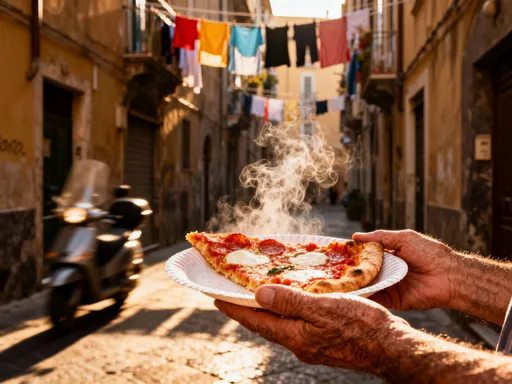
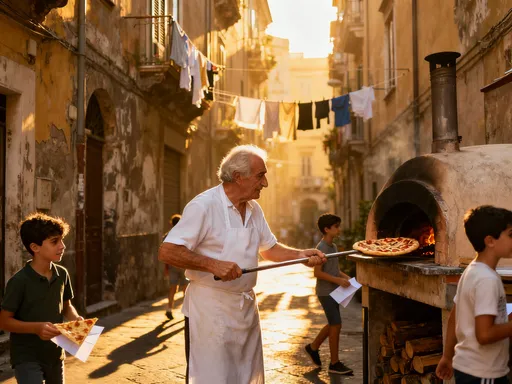
Pizza is sacred in Naples, but it’s also deeply ordinary. It’s both a global icon and a Tuesday night dinner. The city is widely recognized as the birthplace of modern pizza, with the classic Marinara (tomato, garlic, oregano, olive oil) dating back to the 18th century and the Margherita created in 1889 to honor Queen Margherita. Today, UNESCO even lists Neapolitan pizza-making as an Intangible Cultural Heritage of Humanity. But beyond the accolades, pizza is woven into daily life.
Pizzerias in Naples fall into two main categories: pizze a ruota shops and sit-down restaurants. The former are casual, often no-frills places where you order by the slice, eat quickly, and move on. These are perfect for a midday snack or a late-night bite after a walk along the waterfront. The latter are destinations, sometimes requiring reservations weeks in advance. One of the most famous is L’Antica Pizzeria da Michele, known for serving only two types of pizza—Margherita and Marinara—with a focus on perfection through simplicity. While lines can stretch for hours, the experience is part of the ritual.
Yet to think Naples is only about pizza is to miss the richness of its full culinary repertoire. Pasta dishes hold equal, if not greater, importance in daily meals. Spaghetti alle vongole—spaghetti with fresh clams, garlic, and parsley—is a coastal favorite, especially in summer when seafood is at its peak. Genovese, despite its name, is a Neapolitan invention: a slow-cooked onion and meat sauce that can take up to eight hours to prepare, resulting in a deeply savory, almost sweet flavor. Then there’s pasta e patate, a humble but beloved dish of pasta and potatoes, often enriched with a bit of cheese and fried breadcrumbs on top.
What sets Neapolitan eating habits apart is rhythm. Meals change with the season, the neighborhood, and the mood. In winter, you’ll find heartier dishes like parmigiana di melanzane (eggplant parmesan) and polpette (meatballs). In summer, lighter fare like insalata caprese and grilled fish dominate. Each district has its specialties—Spaccanapoli is known for its fried street food, while Vomero offers more refined trattorias with panoramic views. Understanding this rotation helps visitors move beyond the checklist and eat with intention, not just appetite.
Markets as Living Kitchens: Navigating the Heartbeat of Daily Food Life
If pizzerias are the soul of Naples, its markets are the pulse. Places like Mercato di Porta Nolana and Mercato Antignano aren’t tourist attractions—they’re where Neapolitans shop, argue, bargain, and plan meals. These markets operate with a rhythm all their own: opening before dawn, peaking by 9 a.m., and winding down by early afternoon. To experience them fully, you must come early, come curious, and come ready to engage.
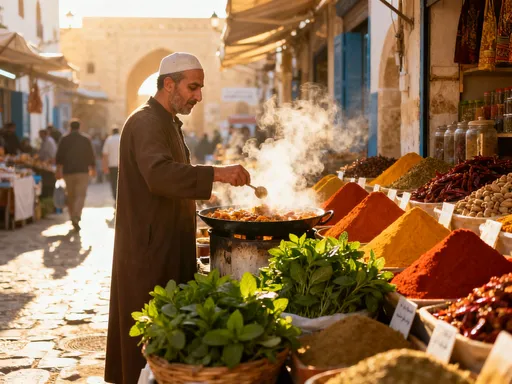
Walking through Porta Nolana, you’re greeted by pyramids of sun-ripened tomatoes, baskets of wild fennel, and stalls displaying fish so fresh they seem to have jumped from the Tyrrhenian Sea just minutes ago. Vendors call out specials, toss samples your way, and answer questions with a mix of pride and impatience. This isn’t a performance—it’s commerce with character. The energy is high, the space is tight, and the smells are overwhelming in the best possible way.
One of the most prized products here is mozzarella di bufala—soft, creamy cheese made from water buffalo milk, sourced from farms in the Campania region. Unlike mass-produced versions, authentic bufala has a delicate tang and a texture that melts in your mouth. The best stalls sell it by the piece, still glistening with whey. Ask for una pallina (a small ball) and eat it within the hour for peak flavor. Pair it with a ripe tomato and a drizzle of olive oil, and you have insalata caprese at its most honest.
For visitors, navigating these markets requires preparation. Bring cash—many vendors don’t accept cards—and a small reusable bag. Avoid large suitcases or bulky backpacks; space is limited, and crowds move quickly. Greet vendors with a polite buongiorno and grazie when you leave, even if you don’t buy. Learn a few basic phrases: quanto costa? (how much?), un po’ di… (a little of…), and per favore. Respect goes a long way. And don’t be afraid to accept a sample—it’s an invitation to connect, not just to consume.
Coffee Isn’t a Drink—It’s a Ritual: How to Sip Like You Belong
In Naples, coffee is not a beverage to be sipped over a laptop or carried in a to-go cup. It’s a 30-second ritual performed at the bar, standing shoulder-to-shoulder with locals. The Neapolitan espresso—known simply as un caffè—is strong, dark, and served in a small white cup. It arrives quickly, often without ceremony, and is meant to be consumed in three or four swift sips. This isn’t about caffeine; it’s about pause, presence, and connection.
The process is precise. You enter the bar, wait your turn, and say “Un caffè, per favore.” The barista nods, pulls the shot, and slides it across the counter. You drink it immediately, return the cup, and leave. No tip is expected if you’re standing—that’s standard. If you sit at a table, a small service charge may apply, and leaving a coin is customary. But the real lesson isn’t about money—it’s about pace. Rushing through an espresso misses the point. This is a moment to stop, breathe, and reset.
One of the most beautiful traditions is the caffè sospeso—the “suspended coffee.” A customer pays for two espressos but only drinks one. The second is held “suspended” for someone in need—a homeless person, a struggling worker, or anyone who can’t afford a cup. This practice, deeply rooted in Neapolitan culture, reflects a quiet generosity that doesn’t seek recognition. While less common today, some cafes still honor it, and knowing about it changes how you see the city’s spirit.
Visitors often make simple mistakes: ordering a cappuccino after 11 a.m. (locals see this as odd—milk-based drinks are for breakfast), asking for sugar in front of a purist (acceptable, but many prefer to taste the bean first), or lingering too long at the bar. To sip like you belong, follow the rhythm. Stand, order simply, drink fast, and move on. Let the bitterness linger on your tongue. This isn’t just coffee—it’s a daily act of resilience, a small moment of clarity in a loud and busy city.
Home Kitchens, Open Doors: Finding Authenticity Beyond Restaurants
Some of the most memorable meals in Naples happen off the grid—in home kitchens, community centers, or backyard gatherings where tourists are welcomed as guests, not customers. This is the world of cucina povera—literally “poor kitchen”—a tradition of making delicious, satisfying food from simple, seasonal ingredients. Think leftover pasta turned into frittelle, stale bread reborn as panzanella, or humble beans transformed into a rich zuppa.
In recent years, opportunities to experience these meals have grown through informal supper clubs and cooking experiences hosted by locals. These aren’t always advertised online or listed on major platforms, but word-of-mouth and neighborhood connections can lead you to them. Some are organized by cultural associations, others by families opening their homes to share traditions. These gatherings aren’t performances—they’re real meals with real conversations, often stretching for hours, with wine poured freely and laughter filling the room.
Participating requires respect and openness. Learn a few Italian phrases beyond “Hello” and “Thank you.” A small gift—a bottle of wine, a box of pastries from a local pasticceria—is appreciated but not expected. Arrive on time, but understand that schedules are fluid. In Naples, dinner might start at 8 p.m.… or 9:30 p.m. Flexibility is part of the culture.
The real value lies in the exchange. You’re not just eating; you’re learning. A nonna might show you how to roll pasta by hand, a teenager might explain why genovese tastes better the next day, and someone’s uncle might insist you try his homemade limoncello. These moments can’t be bought, and they can’t be rushed. They require presence, patience, and a willingness to be vulnerable. But when you leave, you carry more than a full stomach—you carry a piece of Naples inside you.
Eating Well Without Wasting Time: Balancing Discovery and Efficiency
With so much to taste, it’s easy to fall into the trap of culinary overcommitment—trying to eat at ten pizzerias, visit three markets, and attend a cooking class all in two days. But Naples rewards slowness. The city’s food culture is not a checklist; it’s a rhythm. To truly enjoy it without burnout, you need a practical framework that balances discovery with sustainability.
Start by planning one substantial meal per day—lunch or dinner—at a trusted restaurant or trattoria. Use the rest of the day for street food, coffee stops, and market visits. This prevents fatigue and allows you to savor each experience. For example, enjoy a cuoppo for lunch, explore the Spanish Quarter on foot, have an espresso at a historic bar, then settle in for a long dinner at a family-run spot in Chiaia.
Use public transit to move between food-rich neighborhoods. Metro Line 1 connects major areas like Municipio, Dante, and Toledo, each offering distinct culinary flavors. Toledo Station, near the famous Spaccanapoli, is surrounded by pizzerias and pastry shops. Dante Station puts you within walking distance of traditional trattorias. Riding the metro also gives you a glimpse of daily life—locals carrying grocery bags, students sharing a cornetto, vendors selling fruit from carts.
Avoid common pitfalls. Don’t eat near major tourist sites like Piazza del Plebiscito or the Royal Palace—prices are higher, quality is often lower. Skip restaurants with menus in five languages and smiling staff beckoning you inside. These are designed for tourists, not locals. If a popular pizzeria requires reservations, make them in advance. And don’t assume English is widely spoken—a few Italian phrases go a long way in building rapport and showing respect.
Finally, allow room for spontaneity. Some of the best meals happen by accident—a recommendation from a shopkeeper, a festival in a piazza, a shared table at a crowded friggitoria. Let go of rigid plans. Follow your nose. Eat what looks good. Talk to people. In Naples, the best guide isn’t a map or an app—it’s curiosity.
Conclusion
In Naples, eating isn’t an activity—it’s the rhythm of life. The city teaches you to slow down, taste deeply, and connect through food. Every meal, whether a 30-second espresso at the bar or a five-hour Sunday lunch with new friends, is an act of presence. It’s not about perfection; it’s about participation. The flavors are bold, the pace is human, and the hospitality is real.
With a little local know-how, your trip becomes more than a visit; it becomes a meal shared across cultures. You learn that food isn’t just fuel—it’s memory, identity, and love made tangible. Come hungry, stay open, and let Naples feed your soul—one bite at a time. You’ll leave not just with a full stomach, but with a deeper understanding of what it means to live well, together.